
Health & Wellness

A diverse family enjoys breakfast together in a modern kitchen setting, highlighting love and togetherness.

Building Healthy Habits: Tips for Parents to Encourage Nutritious Eating in Children

Nurturing a healthy eating habit among children has become a crucial topic in recent times, especially because it forms the foundation for lifelong health and development. A child’s body needs the right amount of nutrients at the right time to ensure proper growth. Recently, it is very common to see gaunt and obese children. The modern lifestyle of making fast foods, junk food, and processed foods the first choice for children is causing more havoc than we all bargain for. Many of these junk foods contain a high amount of unhealthy fat, sugar, and cholesterol which in turn could lead to unhealthy dietary patterns.  Naturally, children will pick sweet and salty tastes over sour and bitter tastes, but when they are constantly indulged in fast foods, junk, and processed food over homemade meals, they are more likely to have odd eating patterns throughout their growing stage. This makes it important for parents to put in place measures to inculcate healthy eating habits as early as possible to develop a healthy lifestyle. Simply put, the chemistry between a healthy diet and good health cannot be overemphasized, even in children. Stay with me, and let’s see together how we can form healthy eating habits in children. What is a Healthy Diet? A healthy diet is all about eating a balanced and sufficient variety of nutritious foods. It is not excessive, not deficit, but just adequate to meet the energy needs of the individual. However, due to the pressures of the modern lifestyle, and the lack of knowledge of many parents, there is a struggle to establish healthy eating habits in children. The question now is how can I then help my children to eat healthy? Let’s check together. 10 Tips for Parents to Encourage Healthy Eating Habits in their Children. 1. Start early. The earlier you start to inculcate healthy habits, the better for both parties. Getting kids to change their eating habits when they are a little grown-up can be a little difficult. 2. Inculcating healthy eating behaviour in children begins with you as a parent following healthy feeding practices yourself. Your healthy feeding practices will limit unhealthy habits in your children. Also, try as much as possible to eat the same foods as your children. 3. Do not indulge your children by allowing them to dictate food choices to you. I understand that you want to please your kids, but when you allow your children to always make their own choices, and to eat what they like while leaving the rest, they may end up becoming picky eaters. 4. As long as it is within your power, and the child does not have allergies, set clear boundaries about meals and snacks. Let the kids know that you are in charge, not them. 5. Make food fun and appealing. Plate food in a very attractive way. Be creative with your food presentation in such a way that it will appeal to the child.  6. Involve older children in meal planning, take them along to grocery shopping when you can, allow them to pick a new fruit or veggies to eat for that week, and sometimes let them participate in food preparation. It may help them get curious about new foods. 7. Increasing their physical activities may help them to eat more if your children usually don’t like to eat. 8. Reduce food intake that contains added sugars, excess sodium, and high saturated fats,  and start replacing these with whole meals like vegetables, fruit, whole grains, lean protein, seafood, and low-fat dairy products. 9. Do not use food to pacify or reward children, or make children eat everything on their plates. While it might be done with good intentions, it may affect the self-control of your child when it comes to food. It may also teach children to ignore their stomach cues even when they are full because of fear. 10. Do not judge, abuse, starve, or excessively control your children because they didn’t eat their meals, it may have a negative impact on their perspectives about food. Instead, be patient and communicate positively.  How can I Build Sustainable Healthy Eating Habits for My Children? Understand the basis of a child’s Nutrition Have a foundational knowledge about the essential nutrients children need at different developmental phases. Read about them if you must. Feed them nutrient-dense foods that take time to digest instead of empty calories and sugary foods that will leave them wanting more food. Give them appropriate portion sizes for different age groups.  Usually, a child’s stomach is small and they are energetic, so they’d probably eat more frequently than an adult would. Know the foods that especially impact children’s physical strength, cognitive development, and emotional well-being, and make sure to add them to your meal plans. Make Healthy Food Choices Home-made meals are generally cheaper than regular take-out. Home-made meals do not have to be complicated, also you have control over the cooking method and ingredients used. Replace unhealthy junk food and snacks with healthy food and snacks. Avoid giving children surgary juices and sodas, rather stick to water or make fruit juice and smoothies for them. Avoid frying a lot, instead, you can bake or grill foods. Give your children proteins such as eggs, fish, and even chicken breasts. Avoid refined grains as much as possible Cut into chunks fruits and veggies, and fill half of their plates with it. Keep junk food to the barest minimum in your house and choose healthy snacks instead such as tangerines. Balance Nutrition and Pleasure Create a healthy relationship between balanced nutrition and treats on special occasions. Using food as a reward or punishment should be avoided. Your children know when they are full. Do not force them to clear up their plates, which may lead to overfeeding. This can foster intuitive eating skills that will serve children throughout their lifetime. Practice Mindfulness while Eating Mindful eating is being present while eating. Teach your kids to bring their physical sensations and

Building Healthy Habits: Tips for Parents to Encourage Nutritious Eating in Children Read More »

5 Simple Tips for Staying Consistent with Healthy Habits During the Festive Season

In Nigeria, the festive season is synonymous with food, family, and fun. From jollof rice to fried chicken, chin chin, and bowls of pepper soup, the holiday period is a time of endless celebrations, and food is always at the center. While these gatherings create joyful memories, they can also pose a challenge for anyone trying to maintain healthy habits. The good news is that you don’t have to choose between enjoying the festivities and staying healthy. With a bit of intentionality and some realistic strategies tailored to Nigerian family gatherings, you can maintain a balance. Here are five practical tips to help you stay consistent with healthy habits during this festive season.   1. Plan Ahead for Family Gatherings:Nigerian family gatherings are known for their elaborate meals and long hours of celebration. Whether it’s a Christmas party or a New Year’s Day reunion, planning ahead is key to making healthier choices. I. Eat Before You Go: If you’re attending a party, eat something light and healthy beforehand, like a bowl of fruits or a small serving of salad. This way, you won’t arrive famished and overindulge in fried snacks and sugary drinks. II. Bring a Healthy Option: Offer to contribute a dish to the celebration. For instance, you could bring grilled fish, vegetable stir-fry, or fruit salad. Not only will this help you make healthier choices, but it also introduces your family to delicious, nutritious alternatives. III. Balance Your Plate: Nigerian gatherings often have a variety of options, from fried rice to moimoi and peppered meat. Focus on filling your plate with more vegetables, protein (like chicken, fish, or beans), and smaller portions of high-calorie dishes like fried rice or pounded yam.   2. Practice Portion Control:The sheer variety of food at Nigerian celebrations can tempt anyone to overeat. From party jollof rice to nkwobi and lots of chicken, it’s easy to pile your plate high. The key is portion control. I. Start Small: Begin with smaller portions of your favorite dishes. You can always go back for more if you’re still hungry. II. Use Smaller Plates: If possible, opt for a smaller plate. This simple trick can help you avoid overloading your plate. III. Avoid Eating Straight from the Cooler or Tray: At Nigerian gatherings, food is often served in large coolers or trays. Dish out your portion and move away from the serving area to avoid mindless snacking.   3. Stay Active During the Festivities:The festive season is often filled with back-to-back events, and it’s easy to put exercise on hold. However, staying active is crucial for managing the extra calories and maintaining your energy levels. I. Incorporate Family Activities: Suggest activities that get everyone moving. For instance, you can organize a dance session after meals (Nigerians love to groove!), take a family walk around the neighborhood, or play outdoor games like football or catch. II. Morning Workouts: Start your day with a quick 20-30 minute workout. This could be skipping, jogging, or even a YouTube home workout session. Doing this in the morning ensures you stay active no matter how busy the day gets. III. Run Errands Actively: During the festive season, there’s often a lot of running around—from shopping in Balogun Market to picking up family members at the park. Use these errands as an opportunity to stay active by walking more and choosing stairs over elevators.   4. Be Mindful of Drinks and Snacks: In Nigerian gatherings, sugary drinks like soft drinks, chapman, and fruit juices flow freely. Add fried snacks like puff-puff, buns, and samosas to the mix, and you’ve consumed a significant number of calories without even realizing it. I. Stay Hydrated with Water: Always keep a bottle of water with you. Drink water before meals to reduce hunger and during meals to slow down your pace. II. Limit Sugary Drinks: Instead of drinking several bottles of soda, opt for zobo, kunu, or better yet, water. If you want a fizzy drink, dilute it with water or ice to reduce the sugar content. III. Snack Wisely: If you must snack, go for healthier options like roasted groundnuts, boiled corn, or fresh fruits. Carry these with you to gatherings where healthier snacks might not be available.   5. Set Realistic Expectations and Show Yourself Grace:The holidays are meant to be enjoyed, and part of the joy comes from indulging in your favorite festive treats. Setting realistic expectations for yourself will help you maintain balance without feeling deprived. I. Choose Your Treats Wisely: You don’t have to eat everything at every gathering. Choose your absolute favorites—like that party jollof rice with the smoky flavor—and skip what doesn’t excite you. II. Practice the 80/20 Rule: Aim to make healthy choices 80% of the time and enjoy indulgent treats the other 20%. This allows you to participate in celebrations without completely derailing your health goals. III. Don’t Feel Guilty: If you overeat at one meal, don’t let it ruin your day or week. Simply get back on track with your next meal or activity. Remember, it’s about progress, not perfection.   ConclusionThe festive season in Nigeria is a time to connect with loved ones, enjoy cultural traditions, and reflect on the year. By planning ahead, practicing portion control, staying active, and being mindful of your choices, you can navigate the holiday season without compromising your health goals. Remember, thriving in your health during the holidays isn’t about deprivation—it’s about balance. With these simple tips, you can enjoy the best of the season while staying consistent with your healthy habits. Cheers to a vibrant, illness-free festive season and a healthier you in the new year!

5 Simple Tips for Staying Consistent with Healthy Habits During the Festive Season Read More »

Setting SMART Goals: The Keys To Achieving Your Health and Wellness Aspirations

In the world we live in today, goal setting has become an intervention for many people across various professions. Due to its impact, it has proven to be an invaluable tool for leading an effective and balanced life. To prioritize health and wellness, good health habits must be formed, and health-degrading behaviors need to be eliminated. All of this cannot be achieved easily without setting SMART goals. What Are SMART Goals? SMART goals are essential tools that help clarify what we aim to achieve with available resources, increasing the likelihood of successfully reaching those objectives. Representation of What SMART Means S – Simple, Specific, and SignificantYour health and wellness goals should be straightforward and clearly defined, not overly complicated or driven by fleeting emotions. Make them reasonable and purposeful to ensure they guide your efforts effectively. M – Meaningful and MotivatingWellness goals should carry a sense of importance and clearly reflect why you’re setting them. A meaningful goal inspires commitment, while motivation keeps you focused and driven to achieve it. A – Achievable, Action-Oriented, and AccountableSet realistic goals that you can act upon and accomplish. Avoid ambiguity; instead, focus on goals that are practical and within reach. Take deliberate actions to meet your objectives and hold yourself accountable whether through personal discipline or by involving an accountability partner to stay on track and foster responsibility. R – Realistic, Reviewable, and Results-OrientedYour goals should be manageable based on your current situation. For example, aiming to fast for an entire day without ever having fasted for half a day is unrealistic. Ensure your goals are adaptable and, most importantly, capable of producing tangible results. After all, goals that don’t lead to meaningful outcomes are of little value. T – Time-Specific, Tangible, and TruthfulEvery goal should have a clear timeline with defined start and end points to help you allocate time effectively and meet deadlines. Balancing short-term and long-term goals keeps your health and wellness journey structured. Above all, be honest with yourself and set tangible, achievable goals that reflect your true aspirations. Short-Term and Long-Term Health Goals: Is There Any Importance? Long-term goals are typically broad and require a longer period, six months or more. In contrast, short-term goals can be achieved within a much shorter time frame, usually ranging from one week to six months. Your long-term health and wellness goals should be an accumulation of several short-term goals. For example, if your long-term goal is to lose 15 kg in one year, your short-term goals might include adjusting your meal plans, cutting down on junk food, exercising regularly, and resting adequately. Each short-term goal should have specific objectives: How many times will you eat daily/weekly? Will you incorporate fasting periods? What type of exercises will you do? How many minutes/hours will you allocate to exercise? How many hours of rest will you have daily? On the other hand, short-term goals should focus on initiation, maintenance, and eliminating unnecessary habits. In essence, both short-term and long-term goals are important. While long-term goals give you purpose and direction, short-term goals keep you focused and motivated. A 5-Step Plan for Achieving Your Wellness Goals Nourishing and Fueling What enters your mouth significantly impacts your wellness journey. Adopt healthy eating habits that align with your lifestyle. A nutritious diet enhances your physical and mental well-being, helps prevent diseases, and promotes healing. Get rid of junk food in your home. Avoid environments (e.g., parties) where you might be tempted to abandon your goals. Learn to turn down offers of food or drinks that don’t align with your wellness goals. Gradually, even your friends and family will come to terms with your wellness boundaries.   Energy and Flexibility Daily movement affects your physical, mental, and emotional health. Movement enhances flexibility and builds strength. Regular physical activity can lower blood pressure, reduce cholesterol, and alleviate body pain caused by prolonged sitting or lying down. Examples of beneficial activities include: Walking Jogging Gardening Dancing Weight lifting   Sleep and Recharge Adequate rest is essential for optimizing your health. Quality sleep replenishes your mental and physical energy, preparing you to face daily challenges effectively.   Accountability Be accountable whether to peers, mentors, or an authority figure. Let others know about your health and wellness journey. You’ll be surprised how they can help keep you on track. Accept compliments, feedback, and constructive criticism in good faith; accountability can yield remarkable results.   Power of the Mind The mind is incredibly powerful and directly influences your mental and emotional health. Your thoughts affect your body, so focus on positivity. Believe you can achieve your goals. Write them down, paste them in visible places around your home, read them daily, and take consistent action. You’ll be amazed at the progress you make. Conclusion Achieving health and wellness goals is not as insurmountable as climbing Mount Everest. With SMART goals, you can take control of your health. While setbacks and resistance may occur, don’t give up—your wellness journey is worth the effort. Until you achieve your goals: Fuel your aspirations. Believe in their possibility. Stay focused. Put in the work. Let the results speak for you.

Setting SMART Goals: The Keys To Achieving Your Health and Wellness Aspirations Read More »

A silhouette of a young woman forming a heart shape at sunset in Kelâat M'Gouna, Morocco.

Prioritizing Your Health: The Foundation for a Thriving Life

We live in a world where women juggle multiple responsibilities — career, family, community, and personal growth. Yet, our health often takes a back seat. While men face similar struggles, this article focuses on women. It’s easy to push aside rest, nutrition, and exercise in favor of the next urgent task. But what if prioritizing your health isn’t just about you? What if taking care of your body and mind is the foundation for every other aspect of your life? Prioritizing your health is not about perfection; it’s about intentionality. It’s about realizing that the energy you need to show up for your family, fulfill your calling, or succeed in your career starts with how you care for yourself. When you neglect your health, you’re not just tired—you’re running on reserves that cannot sustain your long-term vision. Here’s why you need to prioritize your health: Your Health Fuels Your Purpose Every woman has dreams, goals, and a purpose to fulfill. I know I do. What about you? Whether you’re building a business, raising children, or leading a community, you need physical, mental, and emotional strength to get there. Your health is the fuel that drives your purpose. Imagine trying to embark on a long journey with a car that has no gas. That’s what happens when you ignore your health, it compromises your ability to live out the vision you hold for yourself and those around you. You’ve likely heard this before: eat well, exercise, and reduce your stress. Eating nutritious food, staying active, and resting intentionally give you the energy to live with vitality. Health isn’t about losing weight (which is the most sought-after reason for a healthier life) or fitting into an ideal; it’s about feeling your best so you can be your best. You Set the Standard for Others As women, we are natural leaders in our homes and communities. Our actions set the tone for our children, spouse, friends, and coworkers. When you prioritize your health, you model self-respect and self-discipline. You teach your children the importance of nourishing their bodies, resting intentionally, and making choices that reflect care and love. Think about it this way: your family sees how you treat yourself. Do they see a woman who loves and cares for herself, or someone who is constantly running on empty? Prioritizing your health builds a culture of well-being in your home, inspiring those around you to do the same. When I start something new, my kids and husband are the first to notice. When they see me doing it, it becomes easier for them to follow. Because, if mummy can, they believe they can too. So, ask yourself: Is my current lifestyle worthy of emulation? Or can it be better? Health Is Your Foundation for Resilience Life is full of challenges – unexpected stress, loss, or overwhelming responsibilities. When you invest in your health, you build resilience to handle life’s pressures. A well-rested body handles stress better. A nourished mind makes clearer decisions. A woman who prioritizes her emotional and physical well-being is less likely to crumble under pressure. Taking just 15 minutes a day for physical activity, prayer, meditation, or intentional breathing can change the way you approach challenges. Health doesn’t have to mean massive lifestyle changes overnight. It’s about small, consistent actions that create strength over time. It’s not stressful or time-consuming. Simply commit to taking intentional steps like progressively incorporating two healthy habits daily until they become a natural part of your lifestyle. Your Health Is an Act of Self-Respect You are worthy of care. I love this statement so much. I remind myself daily: “I am worthy of care.” This is not about binge-eating ultra-processed food while saying, “I can’t come and kill myself.” When you prioritize your health, you affirm your worth. You remind yourself that you are valuable not just for what you do for others, but for who you are. Women often give so much to others that they forget to save a little care for themselves. But pouring from an empty cup is not sustainable. By eating well, moving your body, and resting, you’re choosing to honor yourself. You’re saying, “I matter.” Conclusion Prioritizing your health isn’t about selfishness—it’s about stewardship. It’s about making choices that allow you to thrive physically, mentally, and emotionally so you can show up fully for the people and responsibilities you care about. Start small: drink more water, take a short walk, and rest when you need to. Your health is not a luxury—it’s a necessity for living a full, thriving life. Today, make a commitment to yourself:“My health matters because I matter.”

Prioritizing Your Health: The Foundation for a Thriving Life Read More »

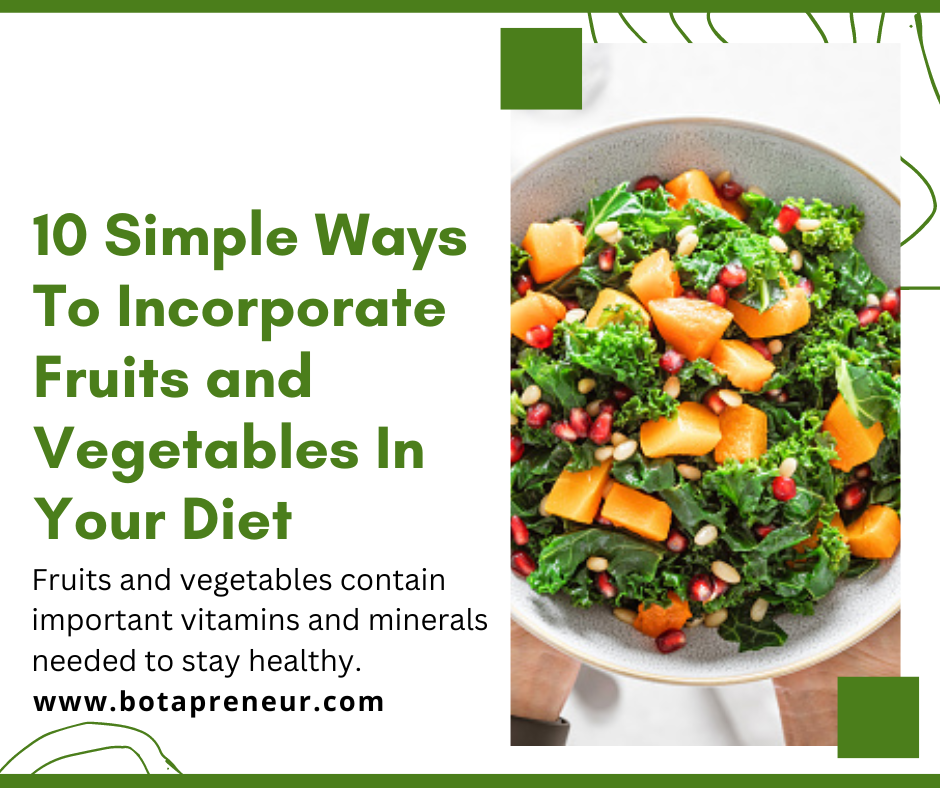
10 Simple Ways To Incorporate More Fruits and Vegetables In Your Diet

According to research, it has been established that fruits and vegetables are important for healthy diet and living. To eat healthily is to eat fruits and vegetables in a great measure. However, it is saddening that many find it hard to feed on fruits and vegetables, thereby we have more sicknesses as a result of unhealthy diets. However, if only we can change the narrative and feed more on fruits and vegetables, many sicknesses will be prevented and we will live more healthily. This is because a diet rich in vegetables and fruits have so many health benefits such as lowering of blood pressure, reduction in the risk of heart disease, provision of nutrients and vitamins needed for health, etc Therefore, it is important to embrace fruits and vegetables more in our diets. This article is to provide different ways by which one can consume fruits and vegetables. This Is to prevent getting bored with one way of consumption and also help those that find it hard to eat some fruits and vegetables directly. We can consume fruits and vegetables as: 1) Snacks: The most common way of eating fruits and vegetables is to buy them, wash or peel as the case and snack on them directly. In this case, you are eating the whole fruits and veggies in their raw and untampered form hence getting the maximum nutrients from them. 2) Smoothies: Smoothies are usually thick drink made from blending fruits and vegetables with liquid base such as fruit juice, milk, yogurt, ice cream or water. 3) Puree: The process of making puree is similar to smoothie but slightly different. To make puree, the fruit or vegetable is slightly boiled before blended (and some times sieved). The texture of puree is usually creamy, smooth, and having no lumps like a pudding which makes it different from smoothies. Most times, puree doesn’t need any base for blending. 4) Sorbets: To make fruits sorbet is very simple. All it take is to cut the fruits, freeze and blend the frozen fruit. One type of fruit or combination of fruits can be used. Fruits that can be used include watermelon, banana, mango, strawberries, and oranges. One can add honey or syrup to enhance the sweetness and lime or lemon juice to prevent browning. 5) Popsicles: Smoothies can be frozen and turn into popsicles. The process is simply to blend the fruits and vegetables and pour into a popsicle mold and freeze. You can add coconut milk and syrup or honey if desired. 6) Salad: Salad is usually made up of various mixtures of chopped raw fruits or vegetables, usually seasoned with oil, vinegar, or other dressing. 7) Vegetable stock: To make vegetable stock, one need to chop the vegetables, put in a pot of water and allow to simmer for 5 to 10 minutes. After removing the pot from the heat, allow the stock to stay for about 2 to 3 hours so that the natural flavour of the vegetables get infused into the water. After these few hours, remove the vegetables and strain out the stock. Refrigerate the stock in an airtight container for up to 1 week. Freeze for up to 3 months. Note: The lesser the water used, the more the stock will be concentrated. Common vegetables used in making stock include carrots, onions, celery, cabbage and garlic. The difference between stock and broth is that a broth contains more seasoning than stock. 8) Soup: Making soup is a great way of getting to consume different types of vegetables. It can be by cooking them directly or by pureeing them and adding spices. 9) Addition to meal: Another way to eat more fruits and vegetables is to add them to every meal. For example, you can add a) vegetables to your sandwich, such as cucumber, tomato, lettuce or avocado. b) add vegetables to fried egg, rice, pottage, etc c) add fruits to your cereals There will articles on different recipes of soups, smoothies, juices, popsicles, etc soon. 10) Fruit Juice: Fruit Juice is simply made by extraction of the liquid contained in fruit and vegetables. Juicing can be done using a juice extractor that helps in separating the fruit pulp and the juice. Juicing can also be done manually by first blending and sieving the pulp from the juice. Thank you for reading to this point. I hope you incorporate more fruits and vegetables into your diet more from now.

10 Simple Ways To Incorporate More Fruits and Vegetables In Your Diet Read More »

Daily Diet for Your Mental Health

It is the month of Mental Health Awareness. Did you know that your diet can affect your mental health? Diet Doctor said it this way: “Emerging science now points towards a link between nutrition and mental health.” You have to realize that now, more than ever, your mental health is a priority. You can take care of your mental health in more ways than one. I will categorically say that food is definitely one of them. Food is probably just a part of your regular and daily routine but it plays a larger role on your health. It is necessary to consider the role it plays on your emotional and mental health, aside your physical health. Health is wealth, they say. Your health also includes your emotional and mental well-being as much as it concerns your physical well-being. How is your health? How is your mental health? How have you been treating it? We all experience feelings ranging from fatigue to burnout to mental stress and other feelings that are likely indicators of the state of our mental well-being. Taking adequate care about the food we eat is one way to improve the state of our mental health. Eating certain foods can help to improve our mental health when we add them to our diet/nutrition from time to time. Let us take a look at six of them including their benefits. 1. Fruits and Vegetables: Of course they’ll make first place on the list. Their importance can not be overstated. Your green vegetables – especially the dark greens – are very important and they ought to be present in almost all your diet, if not all, one way or another. Vegetables such as Ugu, Spinach (Efo tete), African Basil (Efinrin), Water leaf (Gbure), Bitter leaf (Ewuro), Afang leaf and others contain Vitamin B and Folate which are associated with improved mental health. Fruits have also been reported to be associated with healthy mental states. Take fruits such as bananas, carrots, apples to boost your mental health status. Fruits and vegetables were reported in a study to be associated with less mental stress. You should definitely up your fruit and veggies consumption game to get these benefits. 2. Oats: Oats are fiber-rich foods which have been linked to improving mood swings quickly. Oats which are also rich in Vitamin B and Folate, are excellent for improving mental clarity. Oats are energy-giving food and should become an important part of our diet. Try taking oatmeals from time to time, they are known to also serve as comforting foods. 3. Fish: Fatty (or oily) fish are good sources of Omega 3- fats. When present in the body, Omega-3 acids increases blood flow in the brain and play a role in improving the cognitive activities of the brain. These acids are really essential nutrients that the body needs but can’t produce on it’s own. You can provide your body with this essential nutrient that it needs by eating fatty fish like Herring (Shawa), Mackerel (Titus), Horse Mackerel (Kote). They have high levels of Omega-3 acid. 4. Yoghurt: Yoghurt are useful and they help to improve one’s mental health in a significant way by helping the brain to take in nutrients. The gut is where serotonin is produced so it is very important to make sure that the gut is healthy. Yoghurt contains high level of probiotics that support gut health. Serotonin is a neurotransmitter (like dopamine) and it helps to maintain a sense of well-being. Serotonin is involved in many human behaviours and reactions including appetite, sexual drive, mood, how we respond to stress among other things. Studies have begun to show association between having a healthy gut and reduced rate of depression in individuals. Adding yoghurt to your regular diet should be a no-brainer. For a drink that has such great benefits, yoghurt surely has a great taste as well. You should take it often. 5. Eggs: The types of vitamins present in eggs have been reportedly linked to improved state of mental well-being. Folate, Choline, Vitamins B6 and B12 help to improve the functionality of the brain. Eggs especially the yolk contains choline in large quantity. Egg also break down bethane, a chemical linked to happiness and can boost your mood. The B vitamins present in eggs improve mental functionality by slowing down mental decline in adults. If you are looking to boost your mood, be sure to add eggs to your diet. 6. Nuts: These hard-shelled fruits have a lot of protein and Omega-3 fats to offer your body. Walnuts have been reported to support brain health as well as the best source of Omega-3 fats. Research showed that depression level became lower among those who ate 2-4 walnuts daily. Peanuts (or groundnuts) and cashews have also been found to improve cognitive abilities and enhance good moods. Tiger nuts helps improve digestion and better mental health especially as they contain vitamin E. Tiger nuts can be made into milks for drinking. There is saying that if you want to avoid going nuts, eat as many nuts as you can! Not too much though, to avoid stomach bloating. The Effect of Your Diet on Your Mental Health It may seem like taking sugary foods when stressed or involving in emotional eating will help improve our moods in the short-term. But, they have adverse effects. Such eating habits can be harmful to our health – physically and mentally. A study showed a striking improvement in their participants depression levels after they were each subjected to following a healthy diet as against the other group. We have established that the food you eat is connected to how your brain and mind functions, if for no reason other than that the human brain is largely responsible functionality of the body system. The simple task of taking healthy meals that supports your mental health as well as going for therapy sessions (if you can afford it) would benefit you in the long run, whether you

Daily Diet for Your Mental Health Read More »

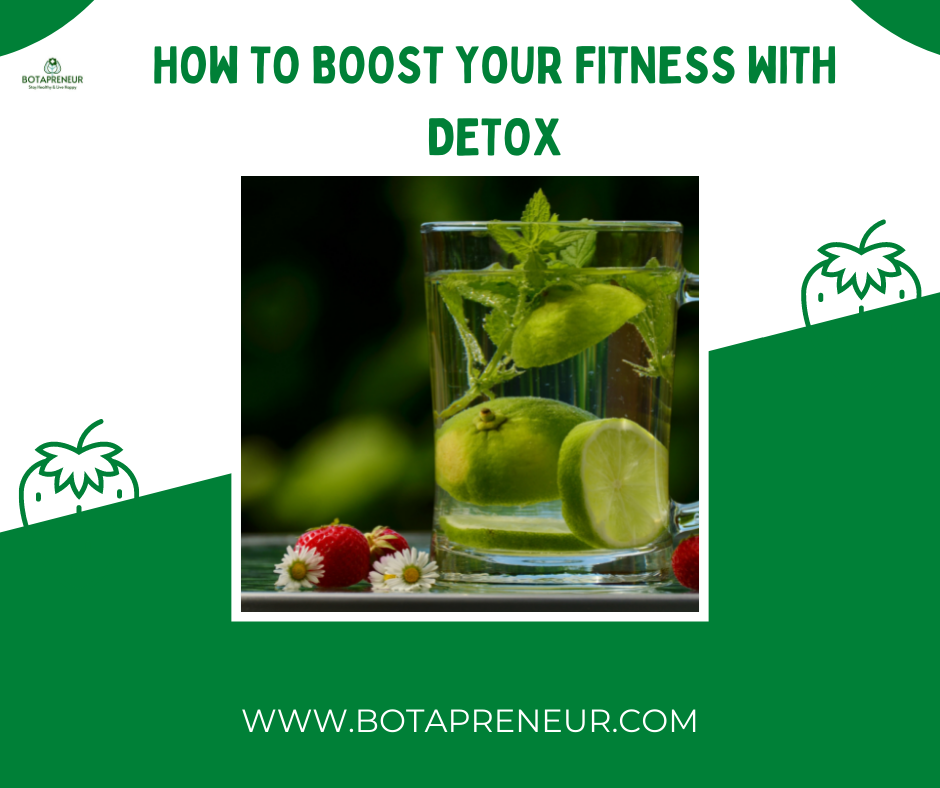
How to Boost Your Fitness with Detox by Chris Brown

Detox is rapidly becoming a popular thing in the era of social media influencers. Most fitness influencers like to flaunt their glass bottles filled with plain water and some colorful fruit chunks. This has been the norm for a very long time and was initially started as a tumbler trend. However, according to fitness experts, most people do not understand about the detox and few of the ingredients that are good for detox. Most of the influencers are not very well educated when it comes to formal medical and fitness education. As a result, they sometimes make things viral that are very helpful instead they usually like aesthetic things so they post their benefits according to their personal experience. We have seen infused water being used as a detox for a very long time and most people still try to figure out some of the ways they can use detox water to get rid of their inbuilt toxins. With the help of this article, we will mainly highlight the naturally infused water that is being used as a detox. We will talk about their importance and how most people are just endorsing them. We will also talk about their effectiveness and if this detox waterworks. What Is Detox And Is It Helpful? Detox is becoming a buzzword on social media thanks to most fitness influencers. However, detox any substance, solution, or medicine that can help you get rid of body toxins. This can be a metabolism booster, fat burner, or digestion booster as well. However, our body is capable of excreting the unwanted and toxins substance from the body and doesn’t need assistance. Most of the infused water and detox solutions available in the market only help you maintain a good supply of water and the substance that you mix in water for flavor and health only help with the supply of salts and minerals. In case you end up consuming all these substances in excess amount, this can have adverse effects as well. Most experts recommend that you should avoid getting detox from the market. Can You Make Detox At Home? People who start their detox diets usually talk about detox a lot. Their idea is to stop taking solid food and rely on liquid food only. Eventually, when they stop consuming solid food they feel less bloated and explain that it was due to detox. In reality, you can easily make the same detox at home that you buy from the market. Most of the detox solutions are just simple infused water solutions and since you have to maintain a good amount of water intake you eventually see its effect on the skin. Some of the best detox solutions that you can prepare at home include: Fat Burning Detox For the fat-burning detox, you will have to rely on acid-based water. You can use water mixed with lemon or apple cider vinegar and drink it in the morning. This will help you with digestion and you will see that you are losing weight. Although most people add honey and other sweeteners for some extra flavor, however, you can customize it according to your taste. This will have a lemonade-based flavor. Vitamin Based Detox Most of the minerals and vitamins that our body need are available in fruits. A simple way to get the same minerals in your diet is by adding fruits chunks to your water so you can enjoy infused water. Daily Detox Water For the daily detox, you just need to add some salt, honey, and lemon to your water. Make sure the quantity is very low otherwise you will end up getting a very concentrated solution. Take Away To sum it all up, our body has everything that it needs. If you are aiming to help your body detox better, you might want to reconsider the things that you are adding to your body. Our body has liver and kidneys that are already adequate to help you detox the body. In case you want to help your body detox better, just staying hydrated will be enough. You just need to drink more water and stay hydrated throughout and that will be enough for you to help your body. Extra detox solution, energy booster, metabolism booster, and other things might not be very helpful. Most of these quick fixes will cause digestion-related issues that can cause side effects in long run. Before buying a detox or even switching to natural detox make sure to go through the pros and cons first.

How to Boost Your Fitness with Detox by Chris Brown Read More »

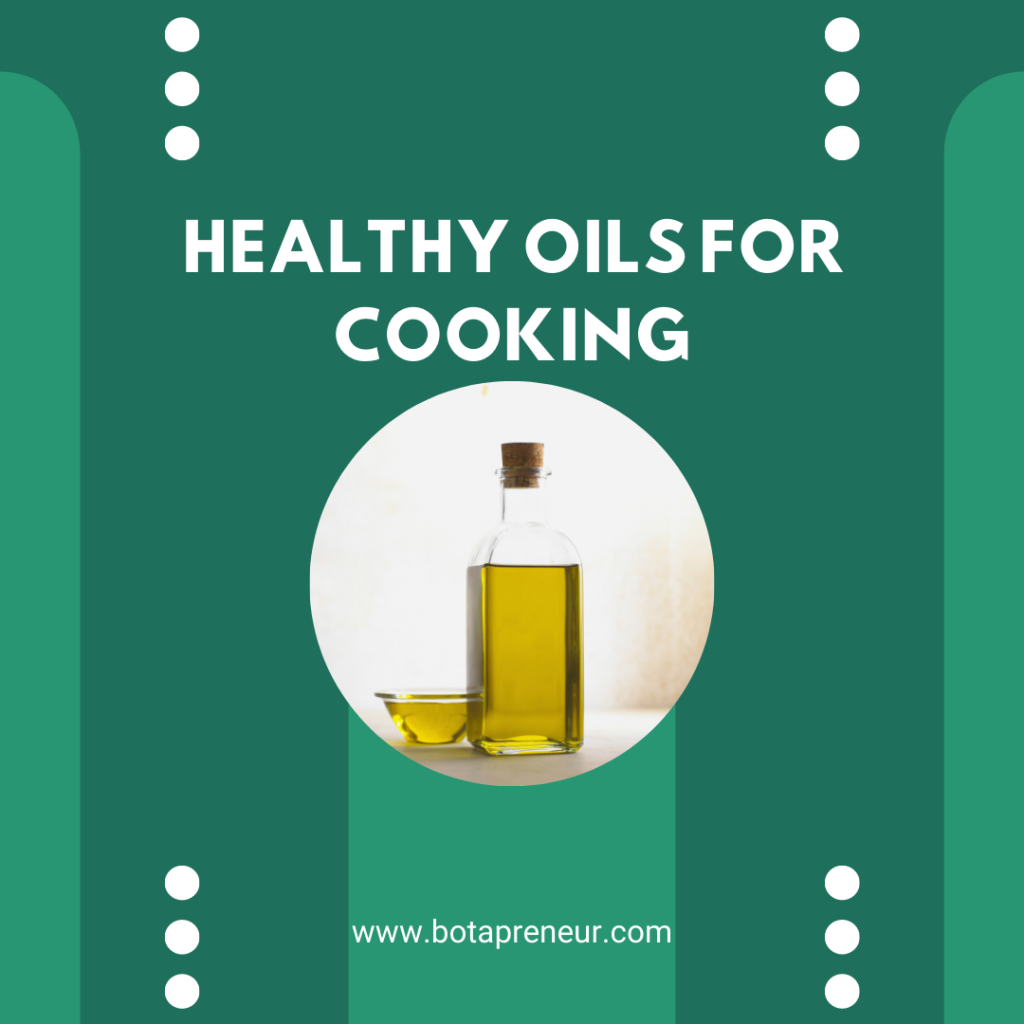
Healthy Oils For Cooking

Oils are generally used in cooking and are also found in processed foods including salad dressings, margarine, mayonnaise and baked foods. There are different oils available for cooking, so it is essential to understand the different types of fats that make up these oils in order to help us have the knowledge of the best choice to use. Dietary fats are a type of nutrient in food. Fats are used as energy sources. Fats also play important role in maintaining healthy skin and hair, maintaining body temperature, and promoting healthy cells. There are 3 types of fat: 1️⃣ Saturated Fats: The chemical structure of saturated fats is such that they are tightly packed with no double bonds between the fatty acids and most of them (not all) are solid at room temperature. Sources of saturated fat include: √ Animal meat like beef, pork, etc. √ Some plant oils such as palm oil, palm kernel oil or coconut oil. As for coconut oil, some researches say it has high levels of saturated fat while others say that the structure of the fat in coconut oil makes it less likely to add to fat buildup in the body, thereby making it healthy. Therefore, it is best to consume coconut oil in moderation . Other foods that are high in saturated fats include processed meats like sausages, hot dogs, snacks and dairy products. A diet high in saturated fat has been known to increase low-density lipoprotein (LDL) cholesterol which in turn raises the risk for heart disease and type 2 diabetes. Also, too much of saturated fat can cause cholesterol to build up in the arteries (blood vessels). High fat foods such as pizza, baked goods, and fried foods have a lot of saturated fat and eating too much of them add extra calories to the diet which eventually lead to weight gain. 2️⃣ Unsaturated fats: The chemical structure in unsaturated fats are loosely packed and are usually liquid at room temperature. There are two main types of unsaturated fat which are: a) Monounsaturated fats: Monosaturated fats as majorly plant based and researchers have shown that consumption of plant-based monounsaturated fats help to lower the risk for cardiovascular disease. Foods that are highest in monounsaturated fats include olive oil, peanut oil, avocado oil, canola oil and sesame oil. b) Polyunsaturated fats: Polyunsaturated fats can be further divided into two types: omega-3 and omega-6 fatty acids. The best sources of omega-3 fatty acids are fatty fish, flaxseed oil, soybeans oil, walnuts oil, sunflower seeds oil and and chia seeds oil. Omega-6 fatty acids can be found in peanut oil, safflower oil, walnut oil and corn oil. 3️⃣ Trans fats: Trans fat also raise LDL (low-density lipoprotein) cholesterol and lower HDL (high-density lipoprotein) which is the good cholesterol. Trans fats are formed when unsaturated fats such as vegetable oils are heated to high temperatures during food processing. Food producers use hydrogenation to harden vegetable oils making them solid at room temperature. In general, the best is avoid trans fat and limit the saturated fats are in our diet. Instead, choose unsaturated fats as your main source of fats and oils. Minimize the amount of saturated fat and oil. However, don’t just eat more unsaturated fats as well as you could eat too much fat in total. In summary, use less of butter, margarine, coconut oil and, palm kernel oil and palm oil and use more of vegetables and seeds oil such as olive, rapeseed, sunflower, canola, soybean, sesame, peanut, avocado and soya oil in cooking.

Healthy Oils For Cooking Read More »

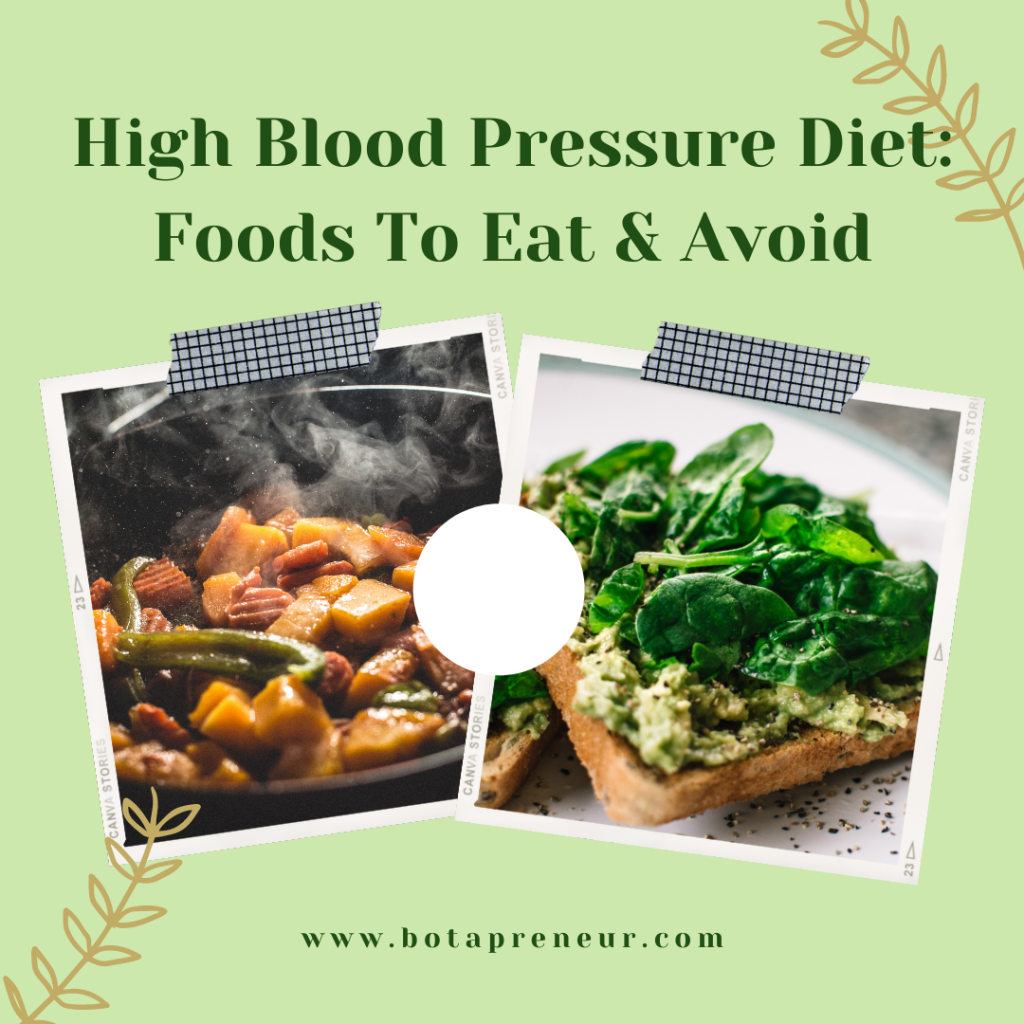
High Blood Pressure Diet: Foods To Eat And Avoid

Blood pressure is the force of blood pushing against the walls of your arteries, the vessels that carry blood from your heart to other parts of your body. It simply reflects how much blood is flowing through your vessels and the resistance the blood meets. Your blood pressure naturally fluctuates throughout the day. However, consistently high or low readings can signal a health concern. There are two key types: Hypertension (High Blood Pressure) Hypotension (Low Blood Pressure) How Blood Pressure Is Measured Blood pressure is recorded as two numbers: Systolic pressure (top number): pressure when the heart beats Diastolic pressure (bottom number): pressure between heartbeats For example, a reading of 120/80 mmHg is spoken as “120 over 80.” Blood Pressure Categories According to health experts, blood pressure levels fall into five categories: 1️⃣ Normal: Less than 120/80 mmHg2️⃣ Elevated: 120–129 systolic and less than 80 diastolic3️⃣ Stage 1 Hypertension: 130–139 systolic or 80–89 diastolic4️⃣ Stage 2 Hypertension: 140+ systolic or 90+ diastolic5️⃣ Hypertensive Crisis: Over 180/120 mmHg requires immediate medical help Common Causes of High Blood Pressure Understanding the root causes can help in prevention and treatment. ✅ Genetics: Hypertension often runs in families✅ Age: Risk increases after age 65✅ Race: More common among Africans✅ Obesity: More weight means more blood flow, which increases pressure✅ Alcohol consumption: Excessive intake raises blood pressure✅ Lack of exercise: A sedentary lifestyle contributes to weight gain✅ Too much salt (sodium): Causes fluid retention, raising blood pressure✅ Low potassium intake: Potassium balances sodium levels in the body✅ Chronic stress: Triggers temporary spikes that may become permanent✅ Underlying conditions: Such as diabetes, kidney disease, and sleep apnea Health Risks of Hypertension Uncontrolled high blood pressure can lead to: Stroke Heart attack Kidney damage Vision loss Erectile dysfunction Poor circulation Heart failure Foods to Avoid If You Have High Blood Pressure 🚫 Processed and fast foods – packed with hidden sodium🚫 Salty snacks – chips, crackers, and salted nuts🚫 Canned soups and sauces – check sodium content🚫 Fried foods and fatty meats – high in saturated fat🚫 Butter, margarine, and full-fat dairy🚫 Sugary foods and drinks – increase weight and risk factors🚫 Regular salad dressings – often high in sodium and sugar Tip: Always read food labels. Sodium hides in many so-called “healthy” foods. Foods to Eat More Often (Heart-Healthy Choices) Fruits High in potassium, antioxidants, and fiber. ✅ Bananas – natural potassium boost✅ Apples, berries, pawpaw – reduce inflammation✅ Watermelon – contains citrulline, which helps blood flow Vegetables Packed with minerals like potassium and magnesium. ✅ Ugu (fluted pumpkin leaves)✅ Spinach, bitter leaf, okra✅ Carrots, green beans, bell peppers✅ Cabbage and broccoli Try steaming, grilling, or lightly sautéing your vegetables instead of overcooking or deep-frying them. Whole Grains Unlike white rice or white bread, whole grains contain all parts of the grain, which means more fiber and nutrients. Fiber slows digestion and keeps your blood sugar and pressure stable.Great options include: Ofada rice Brown rice Oats Whole wheat bread Lean Protein You still need protein, but you don’t need the extra fat from red meat. Choose: Skinless chicken Grilled fish like mackerel and sardines (they contain omega-3s which protect your heart) Natural Herbs & Spices Instead of seasoning cubes and sauces filled with sodium, try natural options like: Garlic – proven to help reduce blood pressure Ginger and basil – fight inflammation and support circulation Turmeric, scent leaf, and thyme – flavourful and medicinal Quick Dietary Tips for Managing High Blood Pressure Drink at least 8 glasses of water daily Cut back on table salt—season with natural herbs Choose fresh over canned foods whenever possible Avoid skipping meals; it leads to unhealthy food cravings Always read food labels—look out for sodium, fat, and sugar content Stick to small portions of high-carb or high-fat meals Practice meal prep to avoid unhealthy food choices You can also read this post on ways to lower blood pressure naturally. Get our specially formulated natural hypertension tea right here, carefully formulated to help manage blood pressure the healthy way.

High Blood Pressure Diet: Foods To Eat And Avoid Read More »

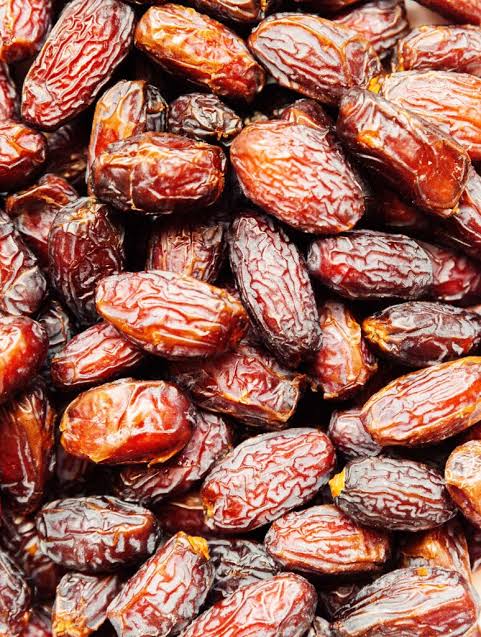
Health Benefits of Dates & How To Use Dates To Sweeten Food

Dates are the fruits of the date palm tree botanically known as Phoenix dactylifera which is a flowering plant species in the palm family, Arecaceae. Date palm tree is majorly cultivated for its edible sweet fruit which is grown in many tropical regions of the world. Dates have become quite popular in recent years because they serve as healthy alternative to refined sugar while still providing essential nutrients for the body. Date is a delicious fruit with a sweet caramel like taste with many potential health benefits. Its major components are carbohydrates (mainly sucrose, glucose, and fructose), which may constitute to about 70%. Dates also contain many important vitamins and minerals which include calcium and iron. Date fruits also contain a number of phytochemicals such as carotenoids and flavonoids. Nowadays, many are adopting a healthy lifestyle and has been searching for how they can sweeten their foods naturally as against the use of refined sugar which has been known to have negative effects on the body. It is of good news that there are various methods by which one can sweeten foods naturally. The use of dates is one of them. Click here to read about 5 best natural substitutes for sugar Let us quickly look at 3 various ways by which dates can be used as sweeteners: 1) As Date Sugar: Date sugar is simply made from grinding dehydrated dates into powder. Date Sugar is also referred to as Date Powder or Organic Date Sugar. Dates are delicious and healthy and the sugar/powder can be used as sweeteners in oats, smoothies, pap, drinks, and also in baking recipes. They aren’t soluble like sugar and therefore don’t dissolve in liquid. However, they provide fiber which aids digestion. 2) As Date Paste: Date fruits can be blended into paste which also works well as sweetener for smoothies and salad dressings. Process of preparing the paste: 1) Pit the date fruits. 2) Put the pitted dates and water in any food processor – blender or a grinder. 3) Blend or grind until very smooth and your paste is ready. 4) Store the date paste in an airtight container in the fridge for up to two weeks. 3) As Date Syrup: Asides turning dates into powder or paste, they can also be made into syrup which involves boiling the dates. Process of preparing date syrup: 1) Pit the date fruits, soak in water and boil for about 2 hrs. Then, allow it to cool down completely. 2) Remove the water by sieving using a cheesecloth. Ensure to squeeze all of the water from the cooked dates 3) Pour the cooked date into a pot and allow it to come to a gentle simmer for about 45-60 minutes until the excess water evaporates and the syrup reduces by approximately half. The syrup becomes thicker after cooling. Although dates also contain sugar but the amount of sugar is less and it has more nutrients and fiber, making it a healthier option. Dates also have less calories and sugar than honey plus more nutrients. Asides the use of dates as sweeteners, they have amazing health benefits which include the following: 1) Dates can be used especially for women who are close to delivery and at postpartum stage. The consumption of dates by women before and after delivery can act as a tonic to strengthen the uterine muscles. Dates also help in prevention of post delivery bleeding due to the presence of some constricting substances. Not only that, dates have been studied for their potential to promote and ease late term labor in pregnant women. Eating these fruits throughout the last few days of pregnancy may promote cervical dilation and lower the need for induced labor. 2) Dates are rich source of hydroxyl pope folic acid and therefore eating dates can increase the body’s immunity. 3) Dates are high in polyphenols. Polyphenols are antioxidant compounds that can protect the body from inflammation. Dates contain more polyphenols than most other fruits and vegetables. 4) Dates are high in fiber. Fiber aids digestion which prevents constipation. Fiber also promotes regular bowel movements. 5) Dates have a low glycemic index (GI), which measures how quickly your blood sugar rises after eating a certain food thereby being a very food aid in controlling blood sugar. However, it is essential to note that when dates are consumed in excess, it can lead to weight gain due to high caloric content. So, it is essential to consume dates in moderation. Also, individuals with kidney disease should follow caution while eating dates because of it’s hight content of potassium. Such people should consult their doctors regarding the amount of potassium to be taken every day.

Health Benefits of Dates & How To Use Dates To Sweeten Food Read More »

Shopping Cart

Planning an Event? Secure your 100% natural drinks with 2-week advance booking.