
Mental & Emotional Health

mental health, mental wellness, balanced diet, challenge, detox, exercise, fit, goals, health issues, healthcare, healthy lifestyle, nourish, relaxation, health advice, health tips, featured, text, tiles, mental health, mental health, mental health, mental health, mental health

7 Powerful Ways Mental and Physical Health Are Connected

Mental health is a state of mental well-being that enables people to cope with the stresses of life, realize their abilities, learn and work well, and contribute to their community. It has intrinsic and instrumental value and is a basic human right. Physical health involves the proper functioning of the body, including organ systems, physical strength, and the absence of disease. Why Mental and Physical Health Cannot Be Separated Many people treat mental health and physical health as two different things. But in reality, they are deeply connected. Your brain communicates with your heart, immune system, digestive system, and hormones every second. When your mind is overwhelmed, your body feels it. When your body is struggling, your mental state changes. True wellness is not just about treating symptoms. It is about caring for the whole person, mind and body. How Mental Health Affects Physical Health 1. Stress and Its Physical Impact When you experience stress, your body releases hormones like Cortisol and adrenaline. These hormones prepare your body for “fight or flight.” Short-term stress can be helpful. But chronic stress can lead to: ✓ High blood pressure✓ Increased heart rate✓ Weakened immune system✓ Poor sleep✓ Digestive problems✓ Hormonal imbalance Over time, unmanaged stress increases the risk of serious health conditions such as heart disease, diabetes, and stroke. Stress is not just emotional, it is biological. Nutrition also plays an important role in how the body responds to stress. You can explore practical strategies in this guide on nutrition tips for managing stress 2. Anxiety and Physical Symptoms  Anxiety often shows up physically before people even recognize it mentally. Common physical symptoms of anxiety include: ➢ Chest tightness➢ Headaches➢ Muscle tension➢ Fatigue➢ Rapid heartbeat➢ Stomach upset The nervous system becomes overstimulated, sending constant signals throughout the body. This is why anxiety disorders are often mistaken for purely physical illnesses. 3. Depression and the Body Depression affects more than mood. It can cause: ★ Persistent fatigue★ Body aches★ Changes in appetite★ Sleep disturbances★ Reduced immunity People experiencing depression may struggle with self-care, exercise, and healthy eating, which further affects physical health. The result is a cycle where mental and physical symptoms reinforce each other. How Physical Health Affects Mental Health The relationship works both ways. 1. Chronic Illness and Emotional Strain Living with long-term conditions such as hypertension, diabetes, chronic pain, or neurological disorders can increase emotional stress. Chronic illness often leads to: • Fear of complications• Social withdrawal• Financial stress• Feelings of helplessness Research consistently shows higher rates of anxiety and depression among individuals with chronic diseases. 2. Nutrition and Brain Function The brain requires proper nutrition to regulate mood and cognition. Deficiencies in: Iron, B vitamins, Omega-3 fatty acids,  Magnesium Can contribute to: Mood swings, Poor concentration, Irritability, Increased risk of depression Food is not just fuel for the body, it is fuel for the mind. Balanced eating patterns also help maintain blood sugar balance for steady energy, which supports mood stability. 3. Sleep and Emotional Stability Sleep plays a crucial role in mental health. Lack of sleep can cause: • Irritability• Reduced stress tolerance• Poor decision making• Increased anxiety Chronic sleep deprivation significantly increases the risk of mood disorders. The Science Behind the Mind-Body Connection The connection between mental health and physical health is supported by biology. The body systems involved include: i. The nervous systemii. The endocrine iii. The immune system For example: Chronic stress increases inflammation. Inflammation is linked to heart disease and depression. Hormonal imbalance affects both mood and metabolism. This is why holistic health approaches are increasingly recognized in modern medicine. Holistic Ways to Support Both Mental and Physical Health Supporting both aspects of health requires intentional lifestyle choices. 1. Manage Stress Naturally ★ Practice deep breathing exercises★ Spend time in nature★ Engage in regular physical activity★ Maintain structured daily routines Herbal support such as chamomile, lavender, or ginger may promote relaxation. Herbal teas can also support hydration learn more in this guide on hydration beyond water. 2. Prioritize Nutrition Focus on: ★ Whole foods★ Fruits and vegetables★ Healthy fats★ Adequate hydration Balanced nutrition supports brain chemistry and immune function. 3. Protect Your Sleep ★ Maintain consistent sleep times★ Reduce screen exposure at night★ Create a calming bedtime routine Sleep is essential for emotional regulation and physical repair. 4. Seek Emotional Support ★ Talk to trusted individuals★ Seek professional counseling if needed★ Engage in spiritual or reflective practices Mental health support is not weakness, it is preventive care. Why Holistic Health Matters More Than Ever In today’s fast-paced world, many people ignore early warning signs of imbalance. But symptoms like persistent fatigue, frequent headaches, irritability, digestive problems, and poor sleep may be signals that both your mind and body need attention. You cannot fully heal the body while neglecting the mind. And you cannot protect the mind while ignoring the body. True wellness is holistic. Conclusion The link between mental health and physical health is undeniable. They influence each other continuously. When you invest in stress management, balanced nutrition, adequate rest, and emotional care, you are protecting both your mental stability and physical strength. Holistic wellness is not a trend, it is a necessity.

7 Powerful Ways Mental and Physical Health Are Connected Read More »
7 Mood-Boosting Foods to Help You Feel Happier Naturally

7 Mood-Boosting Foods to Help You Feel Happier Naturally

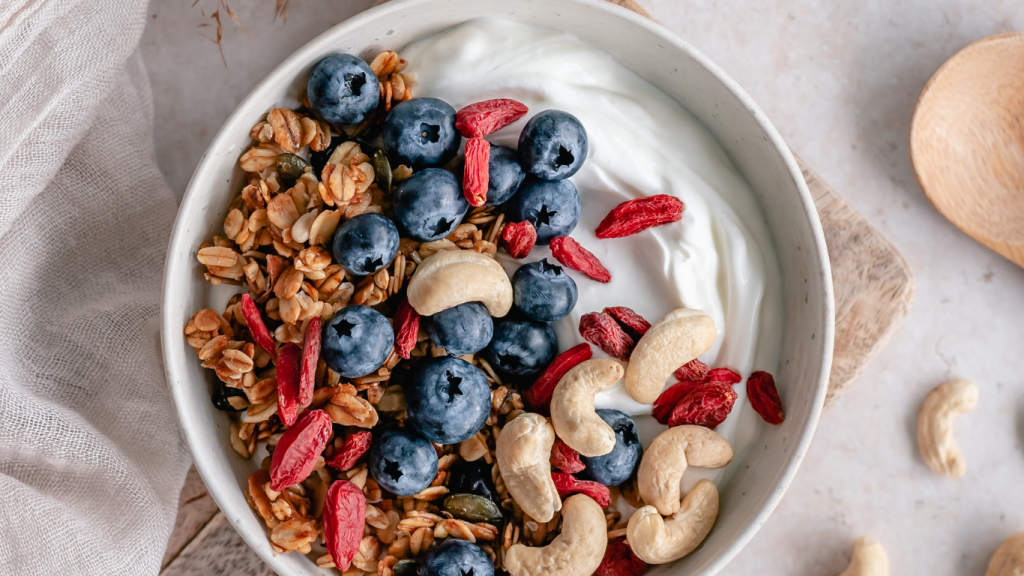
It’s almost impossible to feel great everyday as some days will feel heavier than the other. Anything from the weather, stress, personal challenges, can cause our moods to plummet at any time. The good news is that some foods can actually help lift your mood and support your brain’s happy chemicals like serotonin and dopamine. These natural “feel-good” foods are not only delicious but are also packed with nutrients that support emotional well-being.Ready to eat your way to a better mood? Here are 7 foods that can naturally boost your mood and happy hormones: 1. Dark Chocolate Yes, dark chocolate, with at least 70% cocoa, contains compounds that trigger the brain to release serotonin and endorphins that really can make you happier. It also contains antioxidants that help reduce stress and support overall brain function. Be sure to enjoy it in small amounts. 2. Fruits and Vegetables Bananas, leafy greens, carrots, bell peppers, and citrus fruits are happy-hormome foods. They are bright and colorful. Not only do they look good on your plate, it’s packed with antioxidants, vitamins and minerals that help fight inflammation and oxidative stress in the brain. They also contain natural sugars and fiber that give you a steady energy boost without a crash. 3. Omega-3 Fatty Acids Fatty fish like salmon, mackerel and sardines, and plant-based options like walnuts and flaxseeds are full of omega-3 fatty acids. They are known to reduce symptoms of depression and anxiety. Omega-3s also help the brain work more efficiently and help regulate serotonin levels. 4. Berries Blueberries, strawberries, and raspberries are high in antioxidants, which help reduce inflammation in the brain. Some studies even link berries to a reduced risk of depression. They not only look good, they make you feel great as well. 5. Nuts and Seeds Almonds, walnuts, sunflower seeds, and flaxseeds are great sources of healthy fats, magnesium, zinc, selenium and protein. They all help support brain health and stabilize mood. They are portable, snackable and can be easily adopted into your foods, like parfaits and smoothies. 6. Yogurt and Fermented Foods Probiotics in foods like yogurt, kefir, kimchi, and sauerkraut support gut health and since the gut is connected to the brain, a healthy gut means a happier mood. 7. Protein-rich Foods Foods like poultry, eggs, tofu and dairy contain amino acids which are the building blocks of dopamine and serotonin. Some protein also contain amino acid tyrosine which helps increase dopamine levels, enhance alertness and focus. Eating well isn’t just good for your body or to satiate your hunger. It’s good for your mood, too. While food alone isn’t a cure-all, adding these natural mood boosters to your diet can be a powerful and tasty way to support your emotional well-being. So next time you’re feeling off, try reaching for a happy snack, and you might just feel better inside and out.

7 Mood-Boosting Foods to Help You Feel Happier Naturally Read More »

Daily Diet for Your Mental Health

It is the month of Mental Health Awareness. Did you know that your diet can affect your mental health? Diet Doctor said it this way: “Emerging science now points towards a link between nutrition and mental health.” You have to realize that now, more than ever, your mental health is a priority. You can take care of your mental health in more ways than one. I will categorically say that food is definitely one of them. Food is probably just a part of your regular and daily routine but it plays a larger role on your health. It is necessary to consider the role it plays on your emotional and mental health, aside your physical health. Health is wealth, they say. Your health also includes your emotional and mental well-being as much as it concerns your physical well-being. How is your health? How is your mental health? How have you been treating it? We all experience feelings ranging from fatigue to burnout to mental stress and other feelings that are likely indicators of the state of our mental well-being. Taking adequate care about the food we eat is one way to improve the state of our mental health. Eating certain foods can help to improve our mental health when we add them to our diet/nutrition from time to time. Let us take a look at six of them including their benefits. 1. Fruits and Vegetables: Of course they’ll make first place on the list. Their importance can not be overstated. Your green vegetables – especially the dark greens – are very important and they ought to be present in almost all your diet, if not all, one way or another. Vegetables such as Ugu, Spinach (Efo tete), African Basil (Efinrin), Water leaf (Gbure), Bitter leaf (Ewuro), Afang leaf and others contain Vitamin B and Folate which are associated with improved mental health. Fruits have also been reported to be associated with healthy mental states. Take fruits such as bananas, carrots, apples to boost your mental health status. Fruits and vegetables were reported in a study to be associated with less mental stress. You should definitely up your fruit and veggies consumption game to get these benefits. 2. Oats: Oats are fiber-rich foods which have been linked to improving mood swings quickly. Oats which are also rich in Vitamin B and Folate, are excellent for improving mental clarity. Oats are energy-giving food and should become an important part of our diet. Try taking oatmeals from time to time, they are known to also serve as comforting foods. 3. Fish: Fatty (or oily) fish are good sources of Omega 3- fats. When present in the body, Omega-3 acids increases blood flow in the brain and play a role in improving the cognitive activities of the brain. These acids are really essential nutrients that the body needs but can’t produce on it’s own. You can provide your body with this essential nutrient that it needs by eating fatty fish like Herring (Shawa), Mackerel (Titus), Horse Mackerel (Kote). They have high levels of Omega-3 acid. 4. Yoghurt: Yoghurt are useful and they help to improve one’s mental health in a significant way by helping the brain to take in nutrients. The gut is where serotonin is produced so it is very important to make sure that the gut is healthy. Yoghurt contains high level of probiotics that support gut health. Serotonin is a neurotransmitter (like dopamine) and it helps to maintain a sense of well-being. Serotonin is involved in many human behaviours and reactions including appetite, sexual drive, mood, how we respond to stress among other things. Studies have begun to show association between having a healthy gut and reduced rate of depression in individuals. Adding yoghurt to your regular diet should be a no-brainer. For a drink that has such great benefits, yoghurt surely has a great taste as well. You should take it often. 5. Eggs: The types of vitamins present in eggs have been reportedly linked to improved state of mental well-being. Folate, Choline, Vitamins B6 and B12 help to improve the functionality of the brain. Eggs especially the yolk contains choline in large quantity. Egg also break down bethane, a chemical linked to happiness and can boost your mood. The B vitamins present in eggs improve mental functionality by slowing down mental decline in adults. If you are looking to boost your mood, be sure to add eggs to your diet. 6. Nuts: These hard-shelled fruits have a lot of protein and Omega-3 fats to offer your body. Walnuts have been reported to support brain health as well as the best source of Omega-3 fats. Research showed that depression level became lower among those who ate 2-4 walnuts daily. Peanuts (or groundnuts) and cashews have also been found to improve cognitive abilities and enhance good moods. Tiger nuts helps improve digestion and better mental health especially as they contain vitamin E. Tiger nuts can be made into milks for drinking. There is saying that if you want to avoid going nuts, eat as many nuts as you can! Not too much though, to avoid stomach bloating. The Effect of Your Diet on Your Mental Health It may seem like taking sugary foods when stressed or involving in emotional eating will help improve our moods in the short-term. But, they have adverse effects. Such eating habits can be harmful to our health – physically and mentally. A study showed a striking improvement in their participants depression levels after they were each subjected to following a healthy diet as against the other group. We have established that the food you eat is connected to how your brain and mind functions, if for no reason other than that the human brain is largely responsible functionality of the body system. The simple task of taking healthy meals that supports your mental health as well as going for therapy sessions (if you can afford it) would benefit you in the long run, whether you

Daily Diet for Your Mental Health Read More »

20 things to do when you are bored

Boredom is a common issue everyone experiences at one point or the other in life.  Although while some get bored easily, some rarely do. Being bored can be likened to the feeling associated with joblessness. You just feel you have nothing to do. You feel a kind of emptiness springing from within which you can’t really lay hold on. And if care is not taken, boredom can leads to frustration. Boredom also stimulates a form of anxiety & stress. Some have even allowed boredom to lead them into doing things that are very bad and uncalled for. Do you get bored easily? Do you even feel like your life is boring? Let’s quickly look at 20 things can do to overcome boredom. 1) Listen to soul lifting songs: This is one of the surest thing I do when I’m bored. Just plug in your headphone or earpiece, reduce the volume of the music to the minimum and get yourself charged and lifted. 2) Read: Oh my! I am a fan of novels. There are lots of foreign and Nigerian Christian novels on my laptop. I love to read Francine Rivers, Karen Kingsbury, Opeyemi Akinrinade Ojerinde, Lizzy Oyekunle Yakubu’s stories a lot etc. I don’t run out of novels to read. So, when I’m bored, I pick one to read. Some people are not fans of novels like me. Such people can read other books apart from novels. There are lots of spiritual, motivational, inspirational and even academic books you can read. 3) Go on a long walk: Going on a prayer work or meditation walk helps in combating boredom. Just taking a walk to admire nature or know what’s going on in the environment is another thing to do. 4) Watch a movie: When you’re bored, I’ll recommend you watch movies that will lift up your souls. They might even be short movie clips. You can subscribe to Christian channel on YouTube as well. 5) Call/chat up your best friends: Best friends are always there to cheer, entertain and encourage no matter how far you are from them. Engaging them in time of boredom is a great way to get over boredom. You can even engage in one or two activities together. 6) Meditate: Meditate on God’s words and promises. Think about things you’ve achieved and those you have to do. 7) Cook a meal: When bored is a perfect time for you to practice that special meal you’ve been anticipating. You can learn new recipes online. 8) Go shopping: If you have money and a list of what to buy, then go shopping. Even when you don’t have money, go and feed your eyes 🤓. Take plenty pictures and laugh. 9) Rest and sleep: Sometimes when you’re bored, all you need is taking a nap or sleep for a while and you’re back on track again. 10) Do a work out: Instead of sitting and getting overwhelmed by boredom, you can get engaged by doing some little work out right in your room. 11) Listen to the news: Tune in your radio and listen to what is going on in the world. 12) Listen to messages: Another way to kill boredom is by listening to spiritual messages. 13) Learn a new thing: You can use boredom period to learn a new thing. You can learn a new language, a new skill, a new recipe, etc either on google or with some apps. 14) Clean the house: Do your laundry, sweep and rearrange the room and clean the surroundings. 15) Play games: There are lot of games that are educational. Lay your hands on some of them and get engaged. You can also try puzzles, crosswords and even video games. 16) Review your goals: Take your journal and begin to review your goals. Go through your diary. Have a heart of gratitude towards what had happened and rays of hope concerning those you’ve not. 17) Get busy with whatever you know how to do very well: Draw. Write. Paint. Sing. Sow. Design. Play instruments. Just get busy with something. 18) Attend seminars or enrol for online classes: You can check some site like cousera, udemy and edx and you’ll find a perfect course to enrol for. 19) Visit blogs: There are a lot of bloggers around. I have lists of many of the blogs I visit occasionally. Visit blogs or websites where you can surely have one thing or the other to gain. 20) Pray and read the Bible: Truth is, praying and reading the Bible when you’re bored doesn’t really occur to you initially. But trust me, it’s one of the best things that can help you overcome boredom. Some of the methods above will even lead you into having a very sweet moment of prayer. Listening to soul lifting songs and messages, meditating, reviewing your goals or taking a walk can set your heart on fire to seek the face of God. Do you find this post useful? Kindly share with others. You can share using any of the media icons below. Do you have any idea on what one can do when bored? I’ll be waiting to hear from you in the comment session.

20 things to do when you are bored Read More »

Shopping Cart

Planning an Event? Secure your 100% natural drinks with 2-week advance booking.