
Herbs

9 Powerful Medicinal Uses of Lemongrass for Better Health

Lemongrass Cymbopogon citratus  is a tropical herb widely used in traditional medicine, cooking, and herbal remedies. It contains powerful compounds like citral, flavonoids, and antioxidants that support overall health. This guide explores the medicinal uses of lemongrass, its benefits, and how to use it safely. Key Properties of Lemongrass Lemongrass may have: Anti-inflammatory and antioxidant properties Antibacterial and antifungal effects Blood pressure lowering potential Pain relieving (analgesic) effects Mild detoxifying and diuretic action 9 Health Benefits of Lemongrass 1. Aids Digestion Lemongrass helps stimulate digestive enzymes and may relieve bloating, indigestion, and stomach discomfort. Combining this with mindful eating can further improve digestion. 2. Helps Reduce Fever Lemongrass tea may promote sweating, helping the body cool down naturally during fever. 3. Fights Bacteria and Fungi Lemongrass contains compounds that help combat bacteria and fungi, supporting the body’s defense system. 4. Relieves Pain and Inflammation Its anti-inflammatory properties may help reduce headaches, joint pain, and muscle aches. These effects are linked to reduced inflammation. 5. Supports the Immune System Rich in antioxidants, lemongrass helps protect cells from damage caused by  free radicals. 6. Helps Control Blood Pressure Lemongrass contains potassium, which supports healthy blood circulation and blood pressure levels. 7. Reduces Stress and Promotes Relaxation Lemongrass tea has calming effects that may help reduce stress and improve sleep. Pairing this with nutrition tips for managing stress can enhance results. 8. Supports Detoxification Lemongrass acts as a natural diuretic, helping the body eliminate toxins and maintain fluid balance. 9. Helps Manage Cold and Cough Its antimicrobial properties may help relieve cough, cold, and respiratory discomfort. How to Use Lemongrass Lemongrass can be used in several simple ways: 1. Lemongrass TeaBoil 1–2 stalks in water for 10–15 minutes, then strain. 2. CookingAdd to soups, curries, and marinades for flavor and health benefits. 3. Infused WaterSoak lemongrass in water for a refreshing drink. Proper hydration is important see hydration beyond water. 4. AromatherapyUse diluted lemongrass oil to reduce stress. Possible Side Effects Lemongrass is generally safe in moderate amounts, but excessive use may cause: Allergic reactions Stomach irritation Dizziness or drowsiness Low blood pressure Skin irritation (with undiluted oil) ⚠️ Pregnant women should avoid large amounts, as it may stimulate the uterus. Precautions Use in moderation Avoid high doses or concentrated oils Consult a healthcare professional for medical use Final Thoughts Lemongrass is a powerful natural herb with many health benefits, from improving digestion to supporting immunity and reducing stress. When combined with healthy habits like balanced nutrition and proper hydration, lemongrass can be a valuable part of a natural wellness lifestyle.

9 Powerful Medicinal Uses of Lemongrass for Better Health Read More »
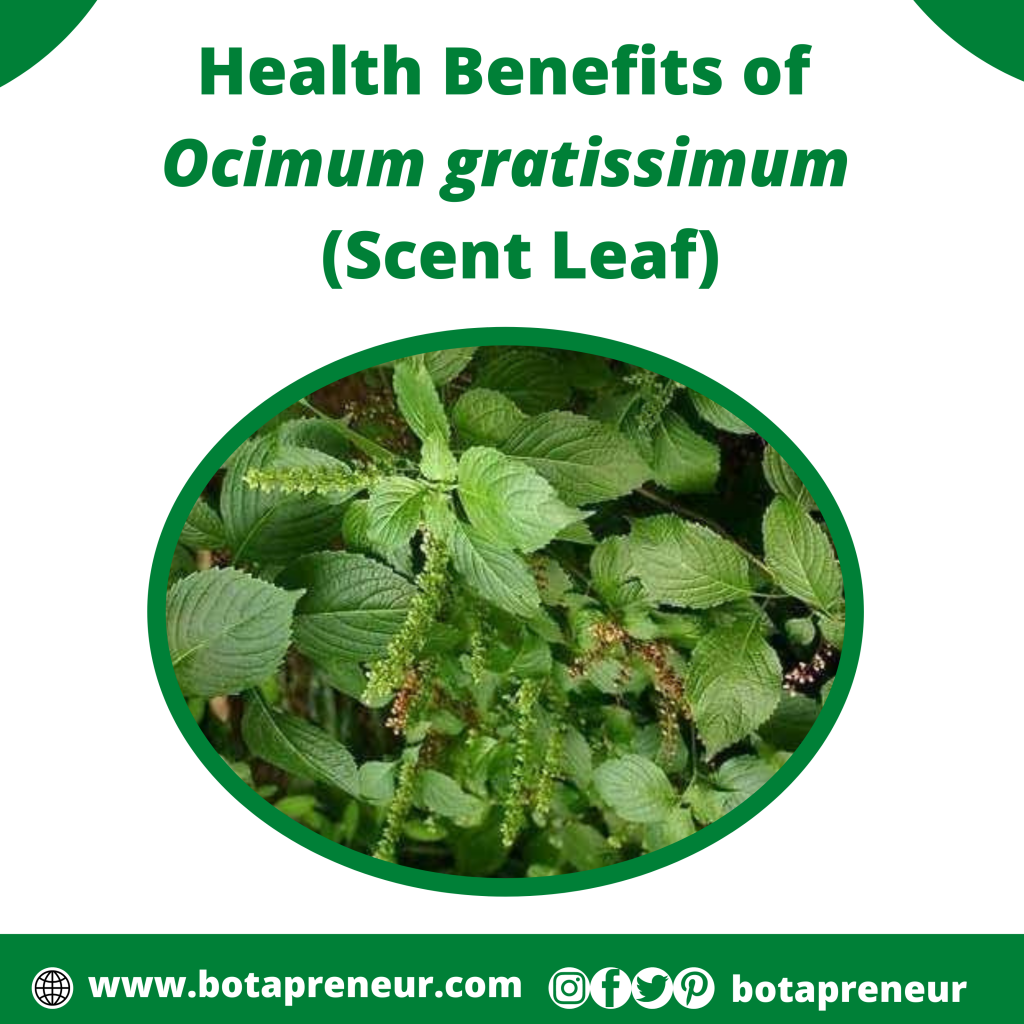
Amazing Health Benefits of Ocimum gratissimum (Scent Leaf)

Ocimum gratissimum popularly known as scent leaf, clove basil or African basil belongs to the family of Lamiaceae. Ocimum gratissimum (Scent leaf) is very common in Nigeria among different tribes. Among the Yoruba, it is known as Efirin. It is known as Ahuju or Nchuanwu among the Igbo and as Ganyen Kamsh or ‘Daidoya’ among the Hausa. The Edo people call it Aramogbo while Ibibios call it Ntonng and some parts of Ijaw call it Ekeni. It is known as alfavaca brave in Brazil, ajeka in Indian, African tea bush in Jamaica, ruku-ruku hitam in Malaysia, and canela in Cuba. The Scent leaf is an aromatic herb and it contain several bioactive chemical substituents which include tannins, phenols, calcium, phosphorus, iron, vitamin A, eugenol, anetol, boron, stigmasterol, etc. All these chemical substituents are essential for human health. Scent leaf serves majorly as condiment in human food. In Nigeria, it is used as a local ingredient for cooking porridge , jollof rice, Ukwa and soups like Ogbono & Egusi. It is also widely used as condiment and for culinary purpose in the North east of Brazil. Aside it’s use in food, it is also widely known for its therapeutic properties and medicinal uses across several countries. The following are the uses of scent leaf got from researches and surveys: 1) Scent leaf was discovered to have been widely used in the treatment of epilepsy, high fever and diarrhoea in Nigeria. The decoction (boiling) of the leaves are also used to treat mental illness. 2) Scent leaf is also used by the Ibos of Southeastern Nigeria in the management of the baby’s cord, to prevent the wound from infection. 3) The flowers and the leaves of this plant are also rich in essential oils which can be used for aromatherapy massage. The oil can also be used in the manufacture of soaps, perfumes and ointments. 4) Previous studies have also reported that scent leaf has anesthesia, anti-stress, antidiarrheal, anthelminthic and antiinflammatory. 5) In Brazil, the decoction of the roots of the plant is used as a sedative for children. 6) In Kenyan and sub Saharan African region, the leaves are rubbed between the palms and sniffed as treatment for blocked nostrils. 7) Scent leaf is also used for treating abdominal pains, sore eyes, ear infections, coughs convulsions, and tooth ache. 8) Scent leaf is used in the regulation of menstruation. Also, when having menstrual cramps, one can brew it into tea to help with the pain. 9) In India, the whole plant is being used in the treatment of influenza, as diaphoretic (generating sweat) and antipyretic (reduction of fever). 10) It is also used for skincare and helps to fight skin conditions like ringworm. Here, the leaves are mashed into a paste and apply on the skin. 11) Scent leaf is rich in vitamin A, which helps to promote good eyesight and also help to prevent xerophthalmia (A condition that occur due to deficiency of vitamin A whereby making the conjunctiva and cornea become dry). 12) The dried scent leaf is a powerful mosquito repellent. 13) Scent leaf aids digestion and prevents bloating. 14) Scent leaf is rich in calcium and magnesium which help to reduce bad cholesterol and increases blood circulation thereby helping to improve the function of the heart. 15) Scent leaf is a good source of arginine, an amino acid that helps in sperm vitality. It also contains compounds such as epigenin and eugenol which can stimulate erection. Also, anetol and boron found in the leaves are capable of producing estrogen in women. Research shows that a lot of benefits can be derived from just the consumption of scent leaves. Thereby, it is advisable to include scent leaf in our diet in considerable amounts. It can either be used fresh or dried. It can also be brewed as tea or juiced. Also, it is very important to know that there is difference between scent and mint leaf, even though they look alike. One easily distinguishable difference is that mint leaf has a mild peppermint scent with a cool aftertaste.

Amazing Health Benefits of Ocimum gratissimum (Scent Leaf) Read More »

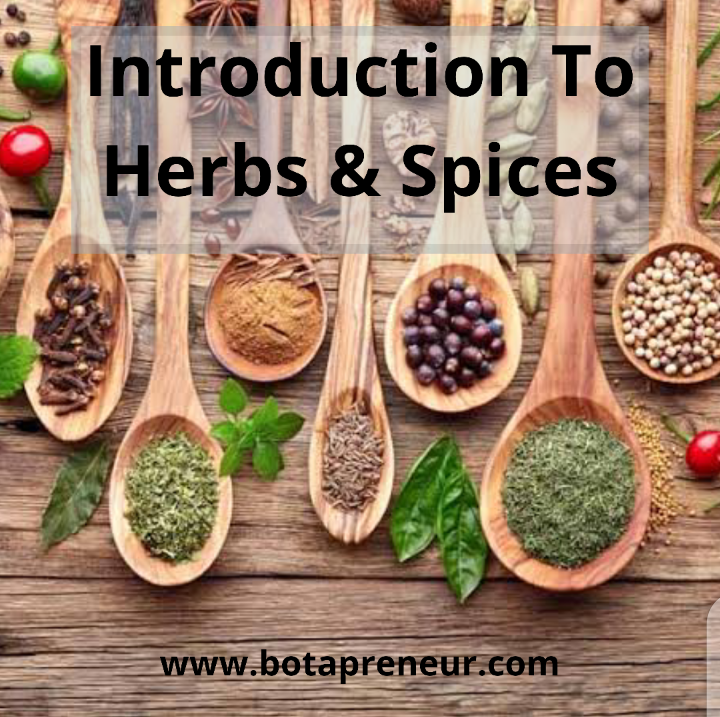
Introduction To Herbs & Spices

Spices are referred to as plant parts apart from leaves that can be used for flavouring or colouring of foods. Spices are usually produced from seeds, barks, roots, berries, twigs and fruits of plants. For instances: Cinnamon is the bark of a tree. Cardamom is a seed pod. Ginger and Tumeric are roots. Allspice is a dried berry. Cloves are dried flower buds. Saffron is stigma. Spices are used to enhance flavour and tastes of foods. Apart from culinary uses, spices have numerous medicinal uses as well. On the other hand, herbs are the leafy parts (either fresh or dried) of plants majorly used for flavourings or for medicinal uses. There are some plants that produce both herbs & spices. Cilantro is the leaf of the plant, Coriandrum sativum, while coriander is the seed that comes from that same plant. Both cilantro (herb) and coriander (spice) are used in flavourings. Below are the list of 45 common herbs & spices (majority of them being spices) Allspice Cardamon Coriander Fenugreek Fennel Cumin Tumeric Ginger Oregano Dill Parsley Celery Thyme Rosemary Anise Seed Chicory Root Licorice Root Cinnamon Nutmeg Mace Caraway Bay Leaves Cayenne Pepper Star Anise Cloves Black Pepper White Pepper Paprika Carom Seeds Chili Pepper Cassia Sesame Mustard Peppercorn Nigella Saffron Galangal Basil Mint Cilantro Sage Majoram Vanilla Peppermint Horseradish Season your foods with herbs & spices, not because of the flavour, aroma and taste they give but also for their nutritional values and medicinal benefits.

Introduction To Herbs & Spices Read More »

Shopping Cart

Planning an Event? Secure your 100% natural drinks with 2-week advance booking.