
We all love to have a little flexibility in our day to day activities. When it comes to our diet, having the freedom to choose what we like can make life a lot easier. Strict eating plans may leave you feeling trapped, and when you slack off, it becomes easy to think that you have failed completely.
That’s where the flexitarian diet comes in. A flexitarian diet is an eating approach that lets you focus mostly on plant-based foods, but still gives you the freedom to enjoy occasional animal protein without guilt or rigid rules. It’s an approachable alternative for those who want to reap the health and environmental benefits of a plant-based diet without feeling restricted.
Whether you’re looking to eat more mindfully without restriction, or to simply explore a more balanced, sustainable way of eating, the flexitarian diet is a refreshing and realistic approach.
In this guide, we’ll break down what being a flexitarian is all about, how to get started, the benefits to expect, and why even small shifts in your diet can lead to big rewards; for your body and the planet.
What Is A Flexitarian Diet?
Many people mistake a flexitarian diet for what it’s not. Flexitarian diet is not about cutting out some food groups entirely or sticking to rigid rules; instead, it’s about prioritizing whole, nutrient-dense plant-based foods while still having the freedom to enjoy animal-based options minimally.
The flexitarian diet is coined from the words “flexible” and “vegetarian”. It is mostly a plant-based approach to eating that allows for occasional meat and animal product consumption in moderation.
Unlike vegan diets, which strictly avoid meat and other animal products, the flexitarian diet embraces flexibility. There are no strict rules, just a gentle, balanced shift toward eating more fruits, vegetables, legumes, whole grains, nuts, and seeds, while reducing your intake of meat, fish, and dairy to a level that works for you.
The flexitarian lifestyle was created to support long-term health without the overwhelm of all-or-nothing eating habits. It encourages mindful choices rather than restrictions. At its core, flexitarianism is less about what you can’t eat and more about what you can add to your plate, thereby making it a sustainable way to nourish both your body and your values.
Why Is Flexitarian Diet Gaining Popularity?
- It does not require the elimination of some food groups. This flexibility makes it easy to adjust to meal options and personal preferences that will lead to a long-term adherence.
- It is seen as a less restrictive approach to eating, which can be more sustainable in the long run.
- It suits busy, modern lifestyles.
- It is a more approachable transition to healthier eating.
- It supports both personal health and planet earth.
Key Benefits Of Going Flexitarian
1. Health Benefits
Eating more plants and less meat has been linked to:
- Lower blood pressure and cholesterol level.
- Improving heart diet.
- Reduced risk of heart disease. Type 2 diabetes, and some cancers.
- Healthier weight management and improved digestion.
- Increased energy levels.
2. Environmental Impacts
Reducing animal protein consumption helps to:
- Reduce greenhouse gas emissions from animals: Animal agriculture is a major contributor to greenhouse gas emissions, including nitrous oxide and methane. A study in nature found that a flexitarian diet could reduce greenhouse gas emissions by as much as 52%.
- Conserve land and water resources: Meat production requires significantly more land and water resources than plant-based foods. Incorporating more plant-based meals reduces the strain on these resources.
- Improve air quality: A study in Ecological Economics found that a shift to plant-based diets could reduce ammonia emissions in the EU by 33%, leading to significant improvements in air quality and human health.
- Reduce deforestation: A shift toward flexitarianism can lessen the need for large areas of land to be cleared to create pastureland for livestock or to grow feed crops.
Getting Started With A Flexitarian Lifestyle
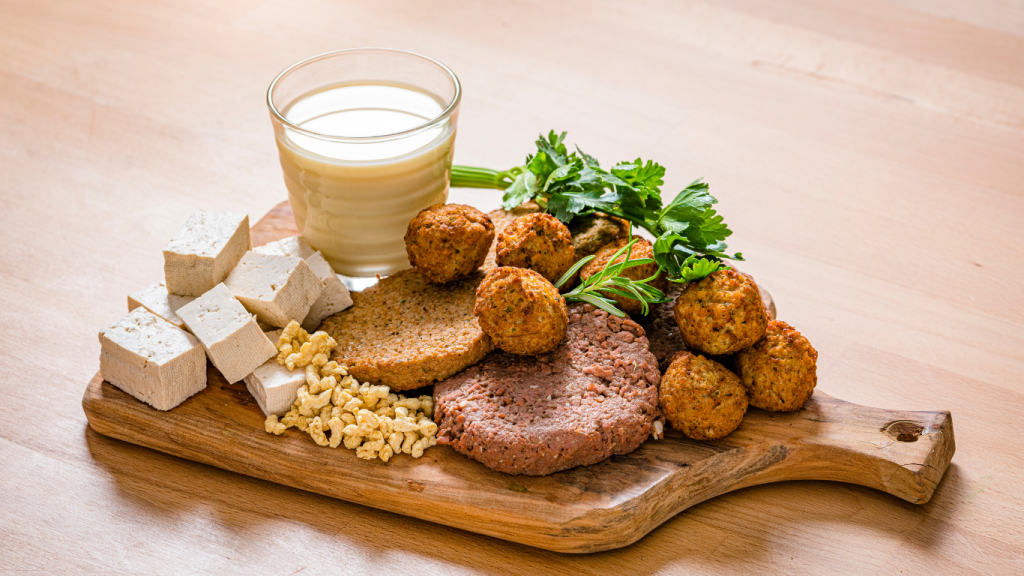
The simplest way to get started with a flexitarian lifestyle would be to choose one day of the week when you do not eat meat or animal products. You could try swapping beef for tofu. Here are other seven healthy ways to get started:
- Start slowly: Pick a day of the week to go completely meat free. Then aim for one plant-based meal per day. You can explore plant-based meals without pressure this way, you will be surprised at how creative and tasty your meals can get. Gradually reduce portion sizes of the meat.
- Plan Ahead: Choose a few easy recipes every week, try them out, and batch cook some meals. This helps you to stick to your goals even on busy days.
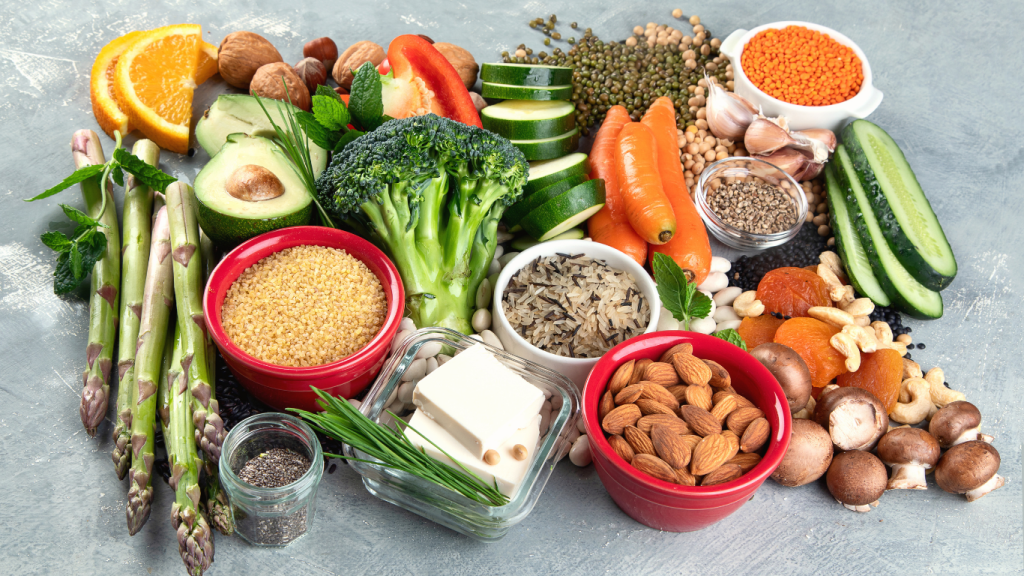
- Stock your pantry with flexitarian staples: Keep healthy basics like whole grains, beans, nuts, seeds and vegetables. A well stocked up pantry makes meal preparation faster and goals easier to stick with.
- Build meals around plants, not meat: Carefully move meat from the center of the plate to the side. Make vegetables, grains, fruits, and legumes the stars of your plate.
- Eat more mindfully: Swap meat for plant rich proteins like lentils, tofu, peas and beans. These options are well filling, delicious and pocket friendly. You can enjoy a veggie hamburger instead of a hamburger.
- Eat mushrooms and eggplants: adding mushrooms and eggplant to dishes can help provide a meat-like texture.
- Give space for flexibility: The goal is progress, not perfection. Don’t stress about every label. Every plant-based choice you make counts.
The options for healthy and delicious plant-based meals are endless.
5 Common Myths About the Flexitarian Diet
- You have to give up meat completely: This is a complete fallacy. It is about reducing, and not eliminating meats.
- It is not nutritionally balanced: With varieties of plant-based meals, it can be incredibly nutrient-rich.
- Plant-based meals are bland: No, they are not. Explore different dishes and recipes and discover how flavorful plant based meals can be.
- It is expensive: Unlike many animal-based meals, many plant-based ingredients are budget-friendly and shelf-stable.
- It’s too restrictive: Quite the opposite. It is one of the most adaptable diets out there.
- It’s the same as being vegetarian: Being vegan is a whole way of life. While flexitarianism fits perfectly into the transition for some people, for others, there is no question about doing away with meats completely.
Easy Flexitarian Meal Ideas (Nigerian Styles)
Nigerian cuisine is naturally rich in plant-based herbs and spices. Here are some tasty, culturally familiar meal ideas to get you started:
Breakfast Ideas
- Pap and Moi-Moi: Pair fermented maize pudding with steamed bean pudding for a light, protein-rich breakfast.
- Vegetable Egg Stew with Plantain: Use fresh tomatoes, onions, and green vegetables for a hearty stew with or without eggs.
- Boiled Yam with Garden Egg Sauce: Skip meats and make your sauce with crushed garden eggs, onions, palm oil, and scent leaves.
Lunch / Dinner Ideas
- Yam Porridge with Veggies: Add pumpkin, spinach, or kale leaves. You can add smoked fish if you want to.
- Efo Riro with Mushrooms or Tofu: Swap meat for mushrooms to give a classic spinach stew, rich in flavor and fiber.
- Okra Soup with Chopped Ugwu and Tofu: Okra provides natural protein and fiber; tofu can be added as your protein source.
Snacks Ideas
- Akara (Bean Cakes): They are deep fried bean balls, perfect with pap or on their own.
- Roasted Corn and Coconut: It’s a seasonal treat that’s naturally plant-based and filling.
- Fruit Salad with Groundnut Topping: You can use pawpaw, banana, watermelon, and oranges, then top with a sprinkle of groundnuts.
- Boli (Roasted Plantain) with Groundnuts / Sauce: This is a street-style snack that’s both filling and satisfying.
Is the Flexitarian Diet Right For Me?
Ask yourself these:
- Do I want to eat healthier but not give up meat entirely?
- Am I interested in a more sustainable diet?
- Would I enjoy experimenting with plant-based meals?
If your answer is yes to any of these questions, the flexitarianism diet might be just perfect for your lifestyle.
Conclusion
The flexitarian diet is a flexible, realistic way to embrace plant-based eating without the pressure of perfection. By focusing on whole, minimally processed plant foods and allowing room for occasional animal products, this approach supports better health, balanced nutrition, and even a lighter environmental footprint.
What makes the flexitarian lifestyle so appealing is its adaptability. You can make it fit your unique needs and preferences. Small, consistent changes like adding more veggies to your meals or choosing plant-based proteins more often can lead to meaningful benefits, like weight management, lower disease risk, and feeling more energized daily.
Check the botapreneur naturales for a flexible framework that can walk you through a natural sustainable path toward healthier, more mindful eating.
This is such a beautiful and most importantly, educative read. Thank you
Thank you for stopping by, ma.