
Many people
Many people only start paying attention to their health after they become sick. However, by the time symptoms appear, some health conditions may already have progressed. The good news is that many illnesses can be prevented or detected early through healthy lifestyle choices and routine medical care.
Just as natural nutrition supports long-term health and good nutrition strengthens the immune system, preventive healthcare focuses on keeping the body healthy before problems develop. By making small, consistent choices every day, you can lower your risk of many chronic diseases and enjoy a healthier, more active life.
What Is Preventive Healthcare?
Preventive healthcare means taking proactive steps to reduce your risk of disease or detect health conditions early when they are easier to manage.
These steps include:
★ Eating a balanced diet
★ Staying physically active
★ Drinking enough water
★ Getting quality sleep
★ Managing stress
★ Attending regular health screenings
★ Keeping vaccinations up to date
★ Avoiding harmful habits like smoking
According to the World Health Organization (WHO), preventive care plays a major role in reducing chronic diseases and improving overall health.
Why Prevention Matters
Many serious health conditions develop slowly over time. Making healthy choices today can greatly reduce your chances of developing illnesses later in life.
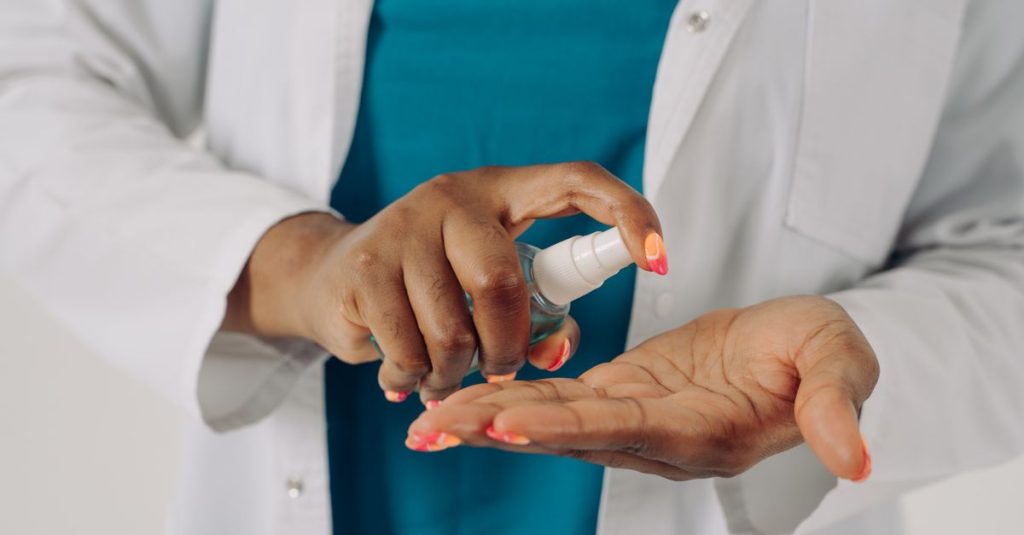
1. Healthy Eating Protects Your Body
A nutritious diet provides the vitamins, minerals, protein, fiber, and healthy fats your body needs to function properly.
Eating more fruits, vegetables, whole grains, and lean proteins while limiting processed foods supports healthy weight, strengthens immunity, and lowers the risk of chronic diseases. Building these habits becomes easier when you understand why whole foods are better than processed foods.
2. Regular Exercise Keeps You Strong
Physical activity benefits almost every part of the body.
Regular exercise helps:
• Improve heart health
• Strengthen muscles and bones
• Support mental wellbeing
• Maintain a healthy weight
• Improve blood sugar control
Even a daily walk can make a significant difference over time.
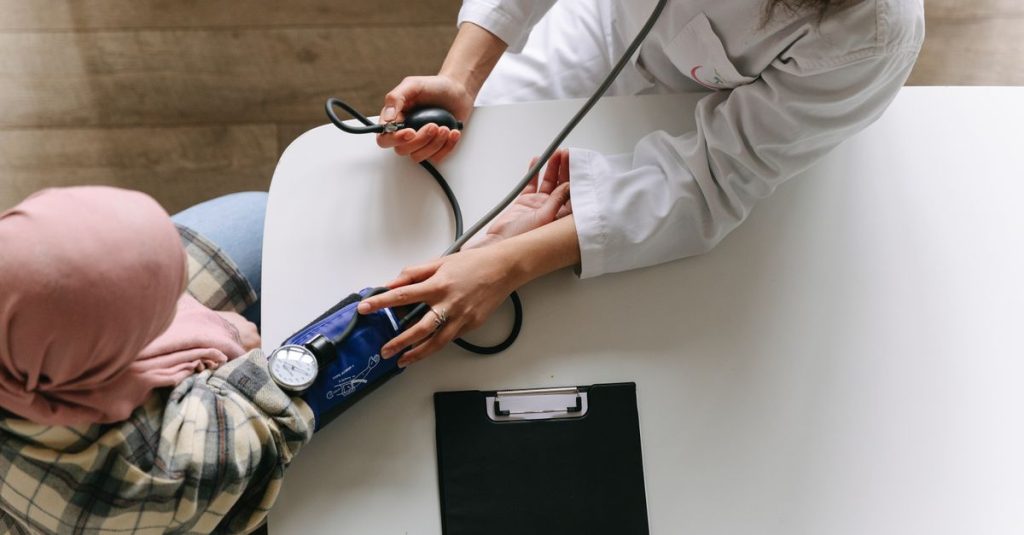
3. Health Check-Ups Detect Problems Early
Many conditions, including high blood pressure, diabetes, and high cholesterol, often develop without noticeable symptoms.
Routine medical check-ups can detect these conditions early, allowing treatment to begin before complications develop.
4. Vaccinations Help Prevent Disease
Vaccines prepare your immune system to fight certain infectious diseases before they cause serious illness. Together with good nutrition that supports the immune system, vaccination is one of the most effective ways to protect both individuals and communities.
5. Good Hygiene Prevents Infections
Simple hygiene habits can significantly reduce the spread of disease.
These include:
• Washing your hands regularly
• Drinking safe water
• Preparing food safely
• Covering your mouth when coughing or sneezing
6. Quality Sleep Supports Recovery
Sleep allows your body to repair tissues, strengthen immunity, and restore energy.
Most adults benefit from 7–9 hours of quality sleep each night as part of a healthy lifestyle.