
In today’s fast paced world, processed foods have become part of everyday life. From instant noodles to packaged snacks and sugary drinks, convenience often takes priority over nutrition. But while processed foods may save time, they can slowly affect your health when consumed regularly.
Whole foods, on the other hand, nourish the body naturally and provide the nutrients your system truly needs. The difference may not seem obvious immediately, but over time, your food choices can greatly impact your energy, immunity, weight, and overall well-being.
What Are Whole Foods?
Whole foods are foods that are close to their natural state and have little or no processing.
Examples include:
✓ Fresh fruits and vegetables
✓ Beans and legumes
✓ Whole grains
✓ Eggs and fish
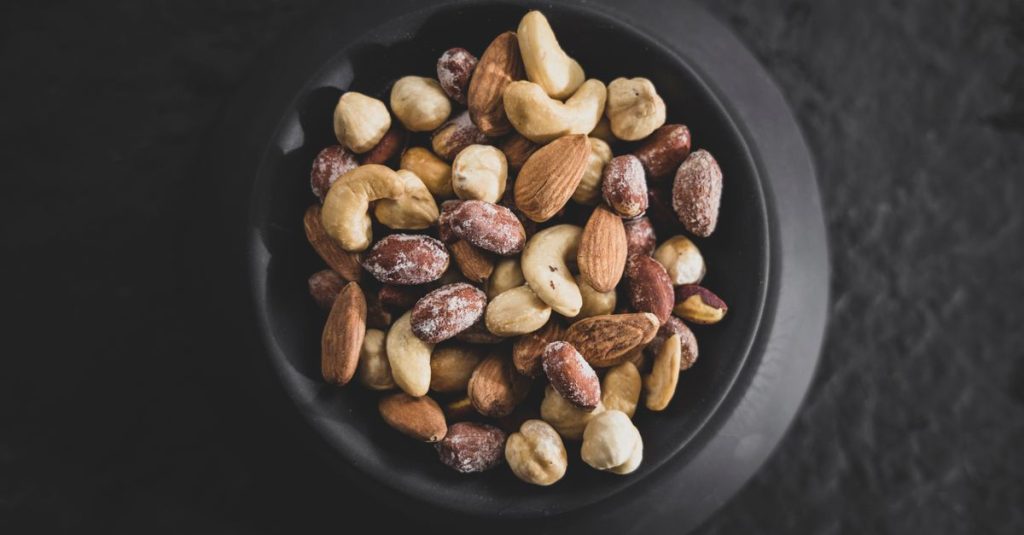
✓ Nuts and seeds
These foods contain natural nutrients without unnecessary additives. According to the World Health Organization (WHO), healthy diets built around natural foods help protect against malnutrition and many chronic diseases.
What Are Processed Foods?
Processed foods are foods that have been altered during manufacturing.
They often contain:
✓ Artificial flavors
✓ Preservatives
✓ Excess sugar
✓ Unhealthy fats
✓ High amounts of salt
Examples include chips, soft drinks, fast food, sugary cereals, and packaged snacks.

1. Whole Foods Provide More Nutrients
Whole foods are naturally rich in vitamins, minerals, fiber, and antioxidants.
Your body uses these nutrients to support:
★ Energy production
★ Brain function
★ Healthy skin
★ Strong immunity
Processed foods often lose many nutrients during production. Consuming nutrient-rich foods also supports the body’s natural recovery process, as discussed in our article on How Food Affects the Body’s Healing Process.
2. They Help Prevent Lifestyle Diseases
A diet rich in whole foods may reduce the risk of conditions such as:
★ Type 2 Diabetes
★ Heart Disease
★ Obesity
★ Hypertension
Many processed foods contain ingredients that increase these risks over time. Maintaining healthy eating habits can also support Blood Sugar Balance: Nutrition Strategies for Steady Energy, helping reduce energy crashes and cravings.
3. Whole Foods Improve Digestion
Whole foods contain natural fiber, which helps digestion and supports gut health.
Fiber helps:
• Prevent constipation
• Improve bowel movement
• Support healthy bacteria in the gut
Processed foods are usually low in fiber, which can affect digestion negatively. Good digestion is an important part of Natural Nutrition for Long-Term Health and Wellness.

4. They Keep You Fuller for Longer
Whole foods digest more slowly, helping you stay satisfied for a longer time. This reduces unnecessary snacking and overeating.
Foods rich in fiber and protein naturally promote satiety and help maintain healthy eating patterns.
5. Better Energy Without Crashes
Processed foods often cause quick spikes in blood sugar followed by sudden drops in energy. Whole foods provide more stable and lasting energy throughout the day.
Combining whole foods with proper hydration, as explained in Why Hydration Is Critical for Body Function, can further improve energy levels and mental performance.
, can further improve energy levels and mental performance.
6. They Support Healthy Weight Management
Whole foods naturally help control appetite and calorie intake. Because they are nutrient dense and filling, they make it easier to maintain a healthy weight.
Unlike many processed foods, whole foods provide nutrition without excessive calories, added sugars, or unhealthy fats.
7. Whole Foods Strengthen the Immune System
Fruits, vegetables, and natural foods contain antioxidants and nutrients that help your body fight illnesses such as the common cold and flu.
Natural ingredients like ginger, cloves, and lemongrass have also been traditionally used to support immune health, as explored in our articles on the Health Benefits of Ginger, Health Benefits of Clove, and Medicinal Uses of Lemongrass.

8. Processed Foods Often Contain Hidden Ingredients
Many processed foods contain hidden sugars, unhealthy oils, and chemical additives that may harm the body when consumed excessively.
Over time, these ingredients can contribute to inflammation, poor metabolic health, and increased risk of chronic disease.
9. Whole Foods Support Mental Well-Being
What you eat can affect how you feel emotionally and mentally. Whole foods provide nutrients that support brain health, concentration, and mood stability.
Research continues to highlight the strong relationship between nutrition and mental wellness. This connection is explored further in The Link Between Mental Health and Physical Health: A Holistic Wellness Guide.
Practical Ways to Eat More Whole Foods
You don’t need to change everything overnight. Start small:
• Add fruits to your breakfast
• Drink more water instead of soda
• Snack on nuts or fruits instead of chips
• Cook more meals at home
• Read food labels before buying packaged foods
Simple choices make a big difference over time.
A Simple Whole Food Meal Example
Breakfast: Oats with banana and peanuts
Lunch: Rice with vegetables and fish
Snack: Fresh fruits
Dinner: Beans with plantain and salad
Healthy eating can still be simple and affordable.
Final Thoughts
Whole foods nourish your body in ways processed foods cannot. You don’t need a perfect diet you simply need more real foods and fewer heavily processed ones.
Every healthy choice you make today is an investment in your future health. By focusing on natural nutrition, staying properly hydrated, and choosing nutrient dense foods, you can support your energy, immunity, digestion, and long-term wellness for years to come.