
Have you ever wondered why some people recover quickly from common illnesses while others seem to get sick more often? While genetics and lifestyle play important roles, one of the biggest influences on your immune system is the food you eat every day.
Good nutrition does far more than satisfy hunger. It provides your body with the vitamins, minerals, proteins, healthy fats, and antioxidants needed to build and maintain a strong immune system. Alongside regular exercise, quality sleep, proper hydration, and stress management, healthy eating forms the foundation of long-term wellness.
Let’s explore how nutrition supports the immune system and the simple dietary choices that can help your body defend itself naturally.
What Is the Immune System?
The immune system is a complex network of cells, tissues, and organs that work together to protect your body from harmful bacteria, viruses, fungi, and other disease-causing organisms.
Every day, your immune system identifies harmful invaders, destroys damaged cells, and helps your body recover from illness. However, it can only perform these functions effectively when it receives the nutrients it needs. According to the World Health Organization (WHO), a healthy diet plays a vital role in supporting normal immune function and overall health.

Why Nutrition Matters for Immunity
Your immune system requires a continuous supply of vitamins, minerals, protein, healthy fats, and antioxidants to function properly. Poor nutrition can weaken the immune response, making it harder for the body to fight infections and recover after illness.
Eating a balanced diet based on whole foods rather than processed foods provides your body with the nutrients it needs to remain resilient throughout life.
1. Vitamins Help Strengthen Immune Function
Several vitamins play important roles in maintaining a healthy immune system.
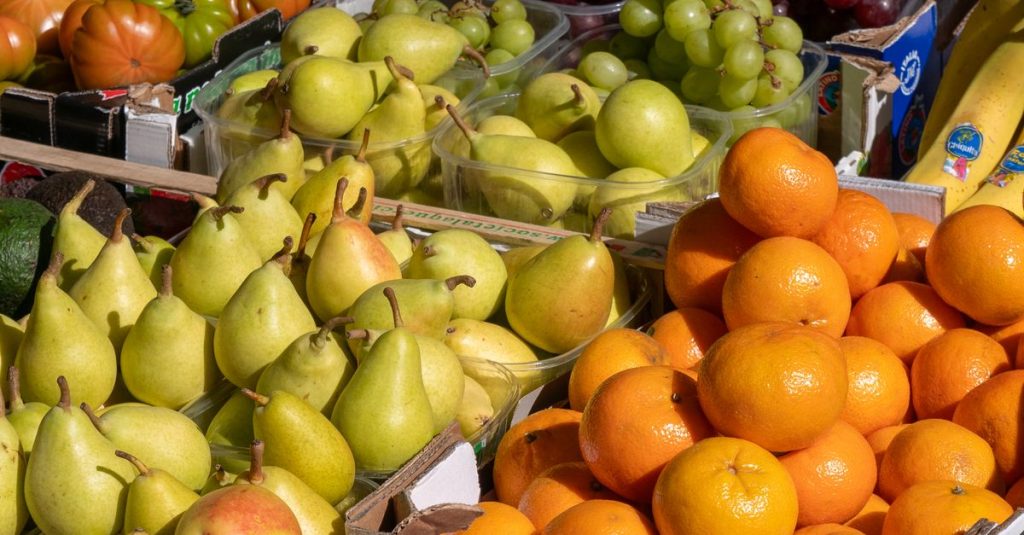
Vitamin C
Vitamin C supports the production and function of white blood cells, which help fight infections.
Good sources include:
• Oranges
• Guava
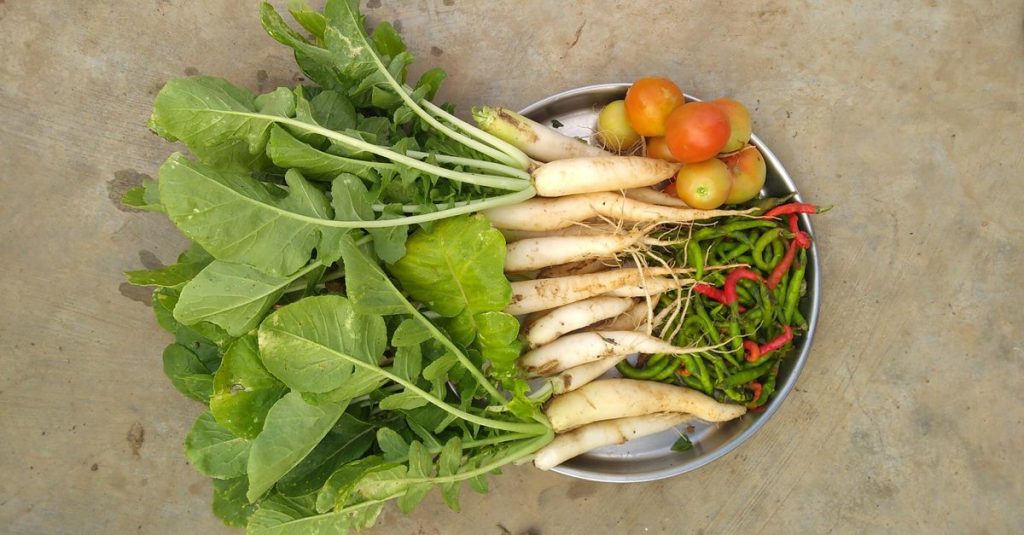
• Bell peppers
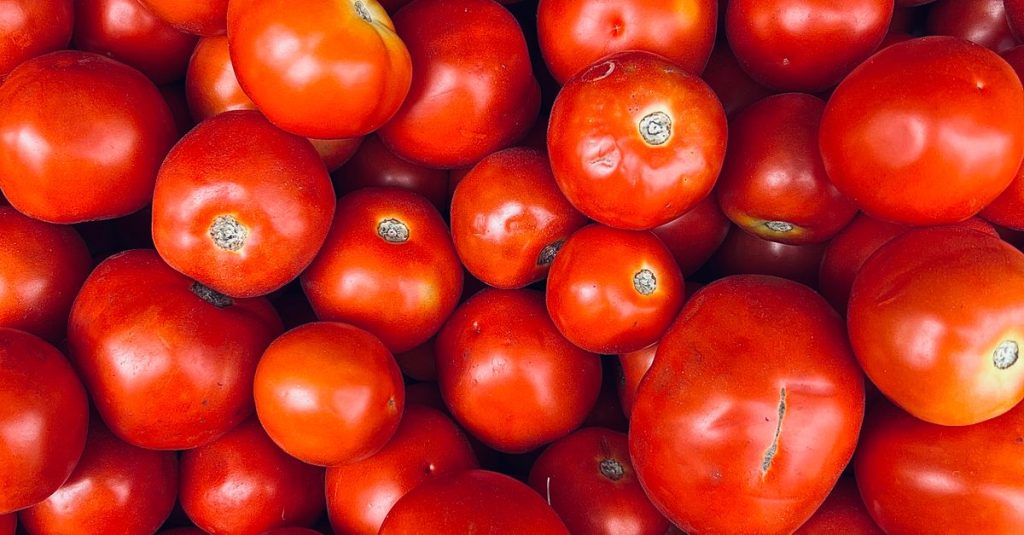
• Tomatoes
• Citrus fruits
Maintaining adequate vitamin C intake works even better when combined with proper hydration, which helps transport nutrients throughout the body.
Vitamin A
Vitamin A helps maintain healthy skin and the lining of the respiratory and digestive systems, creating protective barriers against infection.
Good sources include:
• Carrots
• Sweet potatoes
• Pumpkin
• Dark green leafy vegetables
Vitamin D
Vitamin D helps regulate immune responses and supports the body’s ability to fight infections.
Sources include:
• Fatty fish
• Egg yolks
• Fortified foods
• Safe sunlight exposure
Vitamin E
Vitamin E acts as an antioxidant that protects immune cells from damage.
Sources include:
• Almonds
• Sunflower seeds
• Spinach
• Avocados
2. Minerals Keep the Immune System Working Properly
Certain minerals are equally important for healthy immune function.
Zinc
Zinc supports immune cell development and wound healing.
Good sources include:
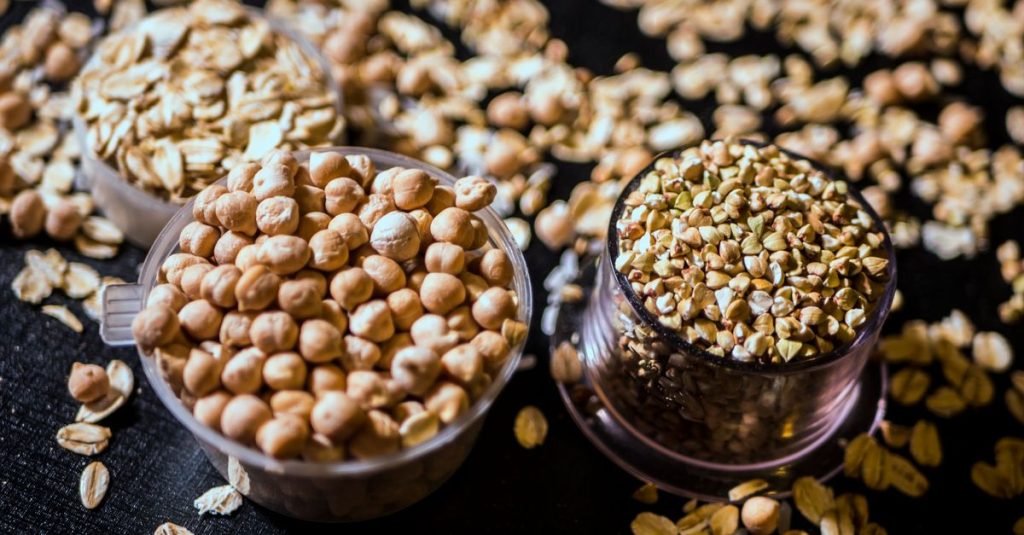
• Beans
• Seafood
• Meat
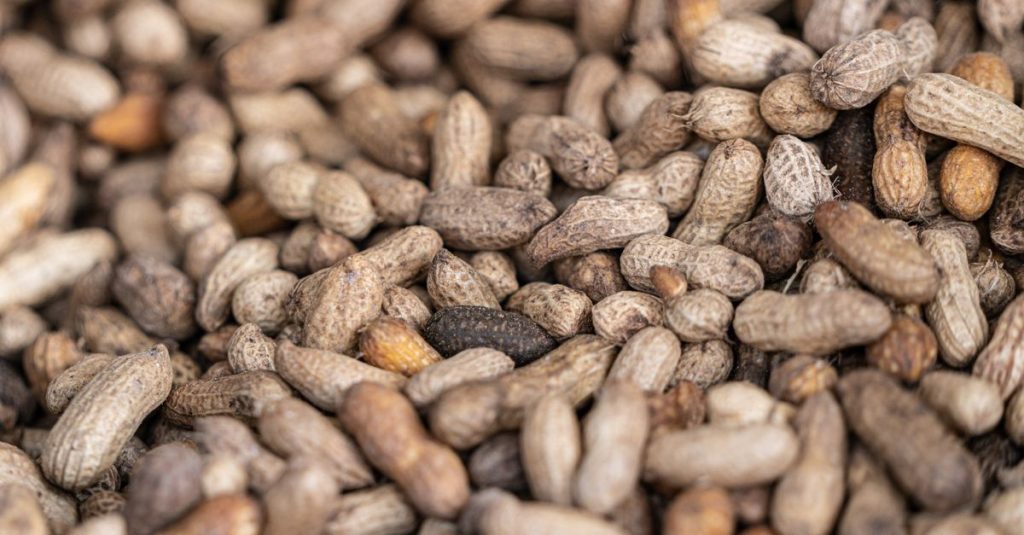
• Nuts
• Whole grains
Iron
Iron helps transport oxygen throughout the body and supports healthy immune function.
Good sources include:
• Lean meat
• Beans
• Spinach
• Lentils
Selenium
Selenium helps protect immune cells against oxidative stress.
Good sources include:
• Fish
• Eggs
• Whole grains
• Brazil nuts
3. Protein Helps Build Immune Cells
Protein is essential for producing antibodies that help fight infections and repair damaged tissues.
Healthy protein sources include:
• Eggs
• Fish
• Chicken
• Beans
• Lentils
• Soybeans
Choosing natural nutrition through lean proteins and minimally processed foods provides better long-term support for immune health than relying on heavily processed meals.
4. Healthy Fats Support Immune Balance
Healthy fats help regulate inflammation and support normal immune function.
Excellent sources include:
• Avocados
• Groundnuts
• Seeds
• Olive oil
• Fatty fish
These healthy fats also support heart health and complement a balanced diet rich in whole foods.
5. Antioxidants Help Protect Your Body
Every day, your body produces unstable molecules called free radicals that can damage healthy cells.
Antioxidants help neutralize these harmful substances and protect immune cells from oxidative stress.
Foods rich in antioxidants include:
• Berries
• Tomatoes
• Spinach
• Carrots
• Green leafy vegetables
Natural herbs such as ginger, garlic, cloves, and scent leaf also contain beneficial antioxidant compounds that can support overall wellness when consumed as part of a healthy diet.
6. A Healthy Gut Supports a Healthy Immune System
A significant portion of your immune system is closely connected to your digestive tract.
Eating fiber-rich foods helps nourish beneficial gut bacteria, improving nutrient absorption and supporting immune function.
Healthy gut-friendly foods include:
• Fruits
• Vegetables
• Whole grains
• Beans
Supporting digestion through whole foods and adequate hydration allows your body to absorb nutrients more efficiently.
7. Staying Hydrated Supports Immunity
Water plays a vital role in transporting nutrients, removing waste products, and keeping the mouth, nose, and throat moist creating an additional barrier against harmful germs.
Proper hydration works together with good nutrition to help your immune system function efficiently. Beyond drinking water, consuming water-rich fruits and vegetables also contributes to healthy hydration.
Foods That Naturally Support Immunity
Include more of these nutrient-rich foods in your diet:
★ Citrus fruits
★ Garlic
★ Ginger
★ Turmeric
★ Moringa (Moringa oleifera)
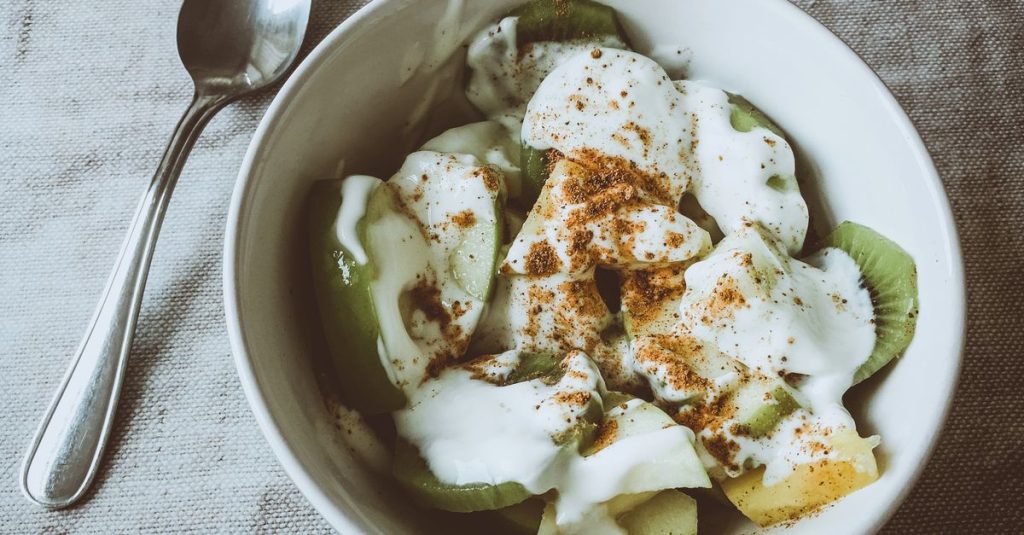
★ Yogurt
★ Leafy vegetables
★ Beans
★ Eggs
★ Fish
★ Nuts and seeds
Remember, no single food can strengthen your immune system overnight. Consistently eating a balanced diet is what makes the greatest difference.
Lifestyle Habits That Work Alongside Good Nutrition
Nutrition is most effective when combined with other healthy habits, including:
★ Getting 7–9 hours of quality sleep each night
★ Exercising regularly
★ Managing stress effectively
★ Avoiding smoking
★ Limiting alcohol consumption
★ Practicing good personal hygiene
Research from the Pan American Health Organization (PAHO) continues to emphasize that healthy lifestyles combining nutrition, physical activity, sleep, and stress management contribute significantly to disease prevention and overall well-being.
Common Nutrition Mistakes That Can Weaken Immunity
Some daily habits may reduce your body’s ability to fight illness, including:
• Skipping meals regularly
• Eating too many processed foods
• Drinking excessive sugary beverages
• Not eating enough fruits and vegetables
• Following highly restrictive diets without professional guidance
Making small improvements in these habits can have lasting health benefits.
Final Thoughts
Your immune system works around the clock to protect your body, but it needs the right fuel to perform at its best. A balanced diet rich in fruits, vegetables, whole grains, lean proteins, healthy fats, and adequate water provides the nutrients needed to support normal immune function and overall health.
While no food or supplement can prevent illness entirely, consistently choosing nutrient-rich foods, staying hydrated, getting enough sleep, and maintaining an active lifestyle can help your body respond more effectively to infections and recover more efficiently.
Healthy nutrition isn’t about perfection it’s about making consistent choices that support your well-being every day.