Nutrition

Healthy Oils For Cooking

Oils are generally used in cooking and are also found in processed foods including salad dressings, margarine, mayonnaise and baked foods. There are different oils available for cooking, so it is essential to understand the different types of fats that make up these oils in order to help us have the knowledge of the best choice to use. Dietary fats are a type of nutrient in food. Fats are used as energy sources. Fats also play important role in maintaining healthy skin and hair, maintaining body temperature, and promoting healthy cells. There are 3 types of fat: 1️⃣ Saturated Fats: The chemical structure of saturated fats is such that they are tightly packed with no double bonds between the fatty acids and most of them (not all) are solid at room temperature. Sources of saturated fat include: √ Animal meat like beef, pork, etc. √ Some plant oils such as palm oil, palm kernel oil or coconut oil. As for coconut oil, some researches say it has high levels of saturated fat while others say that the structure of the fat in coconut oil makes it less likely to add to fat buildup in the body, thereby making it healthy. Therefore, it is best to consume coconut oil in moderation . Other foods that are high in saturated fats include processed meats like sausages, hot dogs, snacks and dairy products. A diet high in saturated fat has been known to increase low-density lipoprotein (LDL) cholesterol which in turn raises the risk for heart disease and type 2 diabetes. Also, too much of saturated fat can cause cholesterol to build up in the arteries (blood vessels). High fat foods such as pizza, baked goods, and fried foods have a lot of saturated fat and eating too much of them add extra calories to the diet which eventually lead to weight gain. 2️⃣ Unsaturated fats: The chemical structure in unsaturated fats are loosely packed and are usually liquid at room temperature. There are two main types of unsaturated fat which are: a) Monounsaturated fats: Monosaturated fats as majorly plant based and researchers have shown that consumption of plant-based monounsaturated fats help to lower the risk for cardiovascular disease. Foods that are highest in monounsaturated fats include olive oil, peanut oil, avocado oil, canola oil and sesame oil. b) Polyunsaturated fats: Polyunsaturated fats can be further divided into two types: omega-3 and omega-6 fatty acids. The best sources of omega-3 fatty acids are fatty fish, flaxseed oil, soybeans oil, walnuts oil, sunflower seeds oil and and chia seeds oil. Omega-6 fatty acids can be found in peanut oil, safflower oil, walnut oil and corn oil. 3️⃣ Trans fats: Trans fat also raise LDL (low-density lipoprotein) cholesterol and lower HDL (high-density lipoprotein) which is the good cholesterol. Trans fats are formed when unsaturated fats such as vegetable oils are heated to high temperatures during food processing. Food producers use hydrogenation to harden vegetable oils making them solid at room temperature. In general, the best is avoid trans fat and limit the saturated fats are in our diet. Instead, choose unsaturated fats as your main source of fats and oils. Minimize the amount of saturated fat and oil. However, don’t just eat more unsaturated fats as well as you could eat too much fat in total. In summary, use less of butter, margarine, coconut oil and, palm kernel oil and palm oil and use more of vegetables and seeds oil such as olive, rapeseed, sunflower, canola, soybean, sesame, peanut, avocado and soya oil in cooking.

Healthy Oils For Cooking Read More »

High Blood Pressure Diet: Foods To Eat And Avoid

Blood pressure is the force of blood pushing against the walls of your arteries, the vessels that carry blood from your heart to other parts of your body. It simply reflects how much blood is flowing through your vessels and the resistance the blood meets. Your blood pressure naturally fluctuates throughout the day. However, consistently high or low readings can signal a health concern. There are two key types: Hypertension (High Blood Pressure) Hypotension (Low Blood Pressure) How Blood Pressure Is Measured Blood pressure is recorded as two numbers: Systolic pressure (top number): pressure when the heart beats Diastolic pressure (bottom number): pressure between heartbeats For example, a reading of 120/80 mmHg is spoken as “120 over 80.” Blood Pressure Categories According to health experts, blood pressure levels fall into five categories: 1️⃣ Normal: Less than 120/80 mmHg2️⃣ Elevated: 120–129 systolic and less than 80 diastolic3️⃣ Stage 1 Hypertension: 130–139 systolic or 80–89 diastolic4️⃣ Stage 2 Hypertension: 140+ systolic or 90+ diastolic5️⃣ Hypertensive Crisis: Over 180/120 mmHg requires immediate medical help Common Causes of High Blood Pressure Understanding the root causes can help in prevention and treatment. ✅ Genetics: Hypertension often runs in families✅ Age: Risk increases after age 65✅ Race: More common among Africans✅ Obesity: More weight means more blood flow, which increases pressure✅ Alcohol consumption: Excessive intake raises blood pressure✅ Lack of exercise: A sedentary lifestyle contributes to weight gain✅ Too much salt (sodium): Causes fluid retention, raising blood pressure✅ Low potassium intake: Potassium balances sodium levels in the body✅ Chronic stress: Triggers temporary spikes that may become permanent✅ Underlying conditions: Such as diabetes, kidney disease, and sleep apnea Health Risks of Hypertension Uncontrolled high blood pressure can lead to: Stroke Heart attack Kidney damage Vision loss Erectile dysfunction Poor circulation Heart failure Foods to Avoid If You Have High Blood Pressure 🚫 Processed and fast foods – packed with hidden sodium🚫 Salty snacks – chips, crackers, and salted nuts🚫 Canned soups and sauces – check sodium content🚫 Fried foods and fatty meats – high in saturated fat🚫 Butter, margarine, and full-fat dairy🚫 Sugary foods and drinks – increase weight and risk factors🚫 Regular salad dressings – often high in sodium and sugar Tip: Always read food labels. Sodium hides in many so-called “healthy” foods. Foods to Eat More Often (Heart-Healthy Choices) Fruits High in potassium, antioxidants, and fiber. ✅ Bananas – natural potassium boost✅ Apples, berries, pawpaw – reduce inflammation✅ Watermelon – contains citrulline, which helps blood flow Vegetables Packed with minerals like potassium and magnesium. ✅ Ugu (fluted pumpkin leaves)✅ Spinach, bitter leaf, okra✅ Carrots, green beans, bell peppers✅ Cabbage and broccoli Try steaming, grilling, or lightly sautéing your vegetables instead of overcooking or deep-frying them. Whole Grains Unlike white rice or white bread, whole grains contain all parts of the grain, which means more fiber and nutrients. Fiber slows digestion and keeps your blood sugar and pressure stable.Great options include: Ofada rice Brown rice Oats Whole wheat bread Lean Protein You still need protein, but you don’t need the extra fat from red meat. Choose: Skinless chicken Grilled fish like mackerel and sardines (they contain omega-3s which protect your heart) Natural Herbs & Spices Instead of seasoning cubes and sauces filled with sodium, try natural options like: Garlic – proven to help reduce blood pressure Ginger and basil – fight inflammation and support circulation Turmeric, scent leaf, and thyme – flavourful and medicinal Quick Dietary Tips for Managing High Blood Pressure Drink at least 8 glasses of water daily Cut back on table salt—season with natural herbs Choose fresh over canned foods whenever possible Avoid skipping meals; it leads to unhealthy food cravings Always read food labels—look out for sodium, fat, and sugar content Stick to small portions of high-carb or high-fat meals Practice meal prep to avoid unhealthy food choices You can also read this post on ways to lower blood pressure naturally. Get our specially formulated natural hypertension tea right here, carefully formulated to help manage blood pressure the healthy way.

High Blood Pressure Diet: Foods To Eat And Avoid Read More »

Foods, Fruits And Drinks That Aid Digestion

Digestion is the process by which food is broken down into smaller components that can be absorbed by the body. However, on several occasions, this prove difficult in the body as a result of many things. This is the situation in which we say the body is experiencing indigestion. Indigestion also known as dyspepsia refers to discomfort or pain that occurs in the upper abdomen, often after eating or drinking can happen when the body has difficulty in digesting what has been taken. Indigestion is a common happening to majority. Common causes of indigestion include: 1) Overeating, eating on a rush or late night eating. 2) Eating fatty, greasy or spicy foods. 3) Intake of too much of caffeine, alcohol, chocolate or carbonated beverages. 4) Effects of the usage of some medications. 5) Health conditions 6) Stress 7) Lack of sleep. Symptoms of indigestion include: 1) Stomach pain or bloating 2) Heartburn nausea 3) Vomiting 4) Burning sensation in the stomach or esophagus 5) Excessive gas or belching. 6) Inability to eat. 7) Inability to pass stool. Although indigestion can be cured by embarking on simple lifestyle changes like ensuring portion control of food, sleeping well, avoiding alcohol, not eating late at night, etc but on the other hand, there are some people that will/might still experience indigestion as a result of their slow metabolic rate. On that note, there are foods that actually enhances or aids easy digestion that should be included in our diets on the right proportions. These include: 1) Vegetables: This is my number one go to remedy for easy digestion. Vegetables are good sources of insoluble fiber which helps to quicken the pace of digestion. Vegetables are also good sources of magnesium which help relieve constipation by relaxing the digestive tracts and pull water into the intestines to make faeces softer and easier to poo. They are also rich in nutrients like folate, vitamin C, vitamin K and vitamin A. 2) Whole Grains: Whole grains have been known to enhance digestion to promoting. Grains (also known as cereals) are the edible seeds of some grasses. For a grain to be called whole grain, it must contain 100% of the kernel including the bran, germ and endosperm. Example of whole grain includes oats, quinoa, brown rice, and millet. Whole grains are rich in fiber which aid or improve digestion. 3) Ginger Ginger aids digestion and prevent nausea. Like I said in one of my recent post on Ginger, I mentioned that I love to take it as tea. Click here to read more about ginger and ginger tea. Ginger also reduces the risk of heartburn, nausea and stomach discomfort. 4) Coconuts: Coconuts are also high in fiber which helps bulk up the stool and supports bowel regularity. Recently, I ate coconut and I found myself using the toilet. It was as if the coconuts washed my stomach 😂. 5) Citrus fruits such as oranges and grapefruit: They contain less fructose making them easier to tolerate and less likely to cause gas. 6) Bananas: Bananas are another low fructose fruit that also contain fiber. They also contain inulin, a substance that enhances the growth of good bacteria in the gut.   7) Apple: Apple contain pectin which increase the bulk of stool and movement through the digestive tract. 8) Lemongrass Tea: Lemongrass tea has been shown to help soothe the stomach and keep digestive functions in check. Lemongrass contains a compound called citral which has anti-inflammatory properties which also makes it effective against bloating invariably aiding digestion. 9) Water: Water is still the number one best drink that aids digestion. Before I will even think of vegetables or any other thing that will enhances digestion, I would have taken enough water to an extent. When you are experiencing indigestion, the very first and most accessible thing to take is water. Some people experience indigestion just because they don’t take enough water. Click here to read more on why water is essential in the body. Drink plenty water in addition to taking high fibre foods. Remember that your high fibre foods are also meant to be taken in moderation and right quantity.

Foods, Fruits And Drinks That Aid Digestion Read More »

Pregnancy Diet: 7 Fruits To Avoid During Pregnancy

It is essential that a pregnant woman feeds on highly nutritious diets in order to keep herself and the growing baby healthy. And one of the major healthy foods to include in a pregnant woman’s diet are fruits. Fruits are nutritious, contain vitamins, minerals, phytochemicals and antioxidants needed to stay healthy and glow. Fruits also help in fighting against diseases. However, as much as fruits are healthy and essential to take, there are some that a pregnant woman needs to either avoid totally or partially. In this article are listed 7 of those fruits that falls into this category: 1) PINEAPPLE Pineapple is a delicious and nutritious fruit packed with vitamins, minerals and lots of insoluble fiber. However, it is not advisable to be taken by pregnant women. This is because pineapple is acidic and may cause reflux and heartburn for those that have sensitive stomach. Pineapple also contains a compound called bromelain that may soften the cervix to trigger contractions in pregnancy which may cause miscarriage. It is best to avoid consuming too much pineapple juice during the early stages of pregnancy. 2) PAWPAW Studies has shown that pregnant women should avoid eating pawpaw in large quantities during the first trimester especially the unripe variety. Papaya contains an enzyme that activates oxytocin (the hormone responsible for producing milk and uterine contraction), therefore, eating too much of it may induce labour. The type of latex in unripe papaya is also not good for pregnant women. Additionally, green papaya contains prostaglandin plus oxytocin, which can both play a role in inducing labor contractions. 3) LITCHI Litchi, also known as ‘lychee’ or ‘lichee’ with high source of various antioxidants. However, it is not safe for consumption during pregnancy as it can raise blood sugar levels and lead to gestational diabetes. Litchis may also contribute to infections and result in haemorrhage. Hence, litchis should be avoided during pregnancy. Excess consumption of litchi can lead to fetal derangement, bleeding, abdominal pain heartburn, or miscarriage. 4) PEACHES Pregnant women diagnosed with high blood sugar can have peaches, but only in very small quantities because excessive intake can lead to bleeding internally if consumed as it generates more heat. 5) WILD APPLE Wild apples are acidic in nature and they can initiate contraction of the uterus. Their acidic and sour properties may induce the uterus to contract and lead to premature labour or a miscarriage. Pregnant women should avoid having wild apples during pregnancy.   Related: Pregnancy Diet: Foods & Drinks To Avoid  Pregnancy 6) LONGAN Both longan and litchi belong to the same family. Longan is known fetal derangement, abdominal pain, bleeding and cause harm to the fetus leading to miscarriage. 7) BLACK GRAPES Black grapes have high amounts of resveratrol present in them and this chemical can cause toxicity for the pregnant woman. The digestive system is usually weak during pregnancy and thus the system might have problem in being able to digest the skin of the black grapes. Consuming too much grape juice can also disrupt blood sugar levels.

Pregnancy Diet: 7 Fruits To Avoid During Pregnancy Read More »

Pregnancy Diet: Foods & Drinks To Avoid During Pregnancy

Pregnancy is one of the most special period in a woman’s life and the actions taken by a pregnant woman directly or indirectly have either positive or negative effects on the growing baby. Once a woman gets pregnant, one of the major things she needs to pay serious and important attention to is her diet. This is because whatever she feeds either aids or hamper the growth and development of the baby. That means such woman would have to feed on a well balanced diet in order to provide proper nutrition for her growing baby. Once a woman get pregnant, certain foods would have to be consumed rarely while others would be avoided completely. It might not be easy doing away with some foods especially the ones one is addicted during this period. However, the aim of keeping the baby healthy needs to be considered. In this article are listed foods that needs to be put in check once a woman gets pregnant. 1) RAW/UNDERCOOKED MEATS Eating raw or undercooked meats exposes a pregnant woman to a high risk of getting contaminated with bacteria. These bacteria may threaten the health of the unborn baby. It can lead to stillbirth or severe neurological illnesses or blindness.   2) HIGH MERCURY FISHES High Mercury fishes like king mackerel, marlin, shark, tilefish, swordfish, and tuna should be avoided by pregnant women. Excessive mercury intake can adversely affect the baby’s developing brain and nervous system.   3) ALOE VERA Aloe vera plant contain anthraquinones laxative compounds which can triggers uterine contractions and lead to losing of the pregnancy. The latex in Aloe vera plant is also a powerful laxative and can create an electrolyte imbalance in the intestines. Also, nursing mothers should also be cautious while taking Aloe vera as the compounds in it can be passed through breast milk which may upset the baby’s digestive system.   4) HERBS As much as herbs are good, it is advisable to avoid taking just any herb during pregnancy. If at all a pregnant woman wants to take herb, she should consult her doctor first. This is because herbs containing steroids can affect the baby’s growth during pregnancy when taken in large quantities. For example, Centella can cause harm to the liver, resulting in severe jaundice and damage the baby’s brain. Dong Quai contains some compounds that can initiate a miscarriage or premature delivery. Read Also: 7 Fruits to Avoid During Pregnancy  5) EGGPLANT Eggplant is called the king of vegetables and is also known as brinjal, garden egg or guinea squash, eggplant. Eggplant is very nutritious and it contains fiber, folate, and potassium that is needed for fetal development. Brinjal or eggplant may be eaten during pregnancy but in moderate quantities. This is because Egg plants grow in soil that is rich in toxoplasmosis which can cause premature delivery, miscarriage, stillbirth or damage to the baby’s brain and other organs especially the eyes.   6) UNPASTEURIZED CHEESE, MILK & JUICE Raw milk and unpasteurized cheese & juice do contain harmful bacteria like Listeria, Salmonella, Esherichia coli and Campylobacter that are dangerous both to the mother and baby.   7) SEAFOODS Most seafood like shellfish, oysters, crabs, sashimi, sushi, and prawns may be polluted with listeria that can result in pregnancy problems like preterm labour or miscarriage. It’s advisable to consume only well-cooked seafood. Crabs for instance also contain high mercury which when consumed by pregnant women can affect the foetus brain and nervous system growth. Although, it has been suggested that the mercury in king crabs is much lower than other types of crabs like blue crab, snow crab & Dungeness crab. However, it is advisable to eat king crabs in moderation or avoid it totally during pregnancy.   8) UNWASHED VEGETABLES Vegetables are very nutritious and laden with so many health benefits. However, it is unsafe to eat unwashed or raw vegetables by pregnant women. Raw or unwashed vegetables possess toxoplasma gondii, a common parasite which causes toxoplasmosis. That is why it is good to soak vegetables in clean salt water and wash them thoroughly before cooking mildly.   10) ALCOHOL Asides from being pregnant, alcohol is not even good to be consumed before of its adverse effects on the organs of the body talk less of being taken by a pregnant woman. Alcohol is highly detrimental to health. Alcohol should be totally avoided during pregnancy. Consuming alcohol (even in small quantity) can lead to different types of birth defects and it also increases the chances of miscarriage and stillbirth.   11) RAW EGGS Eggs do contain a bacteria called salmonella. This bacteria may cause intrauterine infections which can be severe and lead to a miscarriage. Pregnant women should avoid taking raw eggs or any food containing raw eggs like eggnog, homemade mayonnaise, smoothies containing raw eggs, etc It is advisable to cook eggs thoroughly before eating. This will help in killing the bacteria.   12) CAFFEINE Study has shown that caffeine is safe when consumed in moderation. However, it is advisable for pregnant women to regulate their level of caffeine intake. Too much of caffeine increase chances of miscarriage and can also result into low birth weight babies. Caffeine is not only present in coffee, it is also present in tea and chocolates.   13) ENERGY, SODA & CARBONATED DRINKS Energy drinks should be avoided by pregnant women because they contain a high amount of caffeine and other ingredients that poses effects on the fetus. Soda and Carbonated drinks have high level of sugar and when sugar is consumed in large amounts, it can drive insulin resistance and is also associated with various serious conditions, including type 2 diabetes and heart diseases. They are also highly filled with fructose and caffeine. Read Also: Foods & Drinks To Avoid After 40 14) RAW SPROUTS Avoid eating raw sprouts like alfalfa, clover, and radish. They are highly prone to listeria, salmonella, and E.coli bacteria.   15) JUNKS & CANNED FOODS Junks are majorly always

Pregnancy Diet: Foods & Drinks To Avoid During Pregnancy Read More »

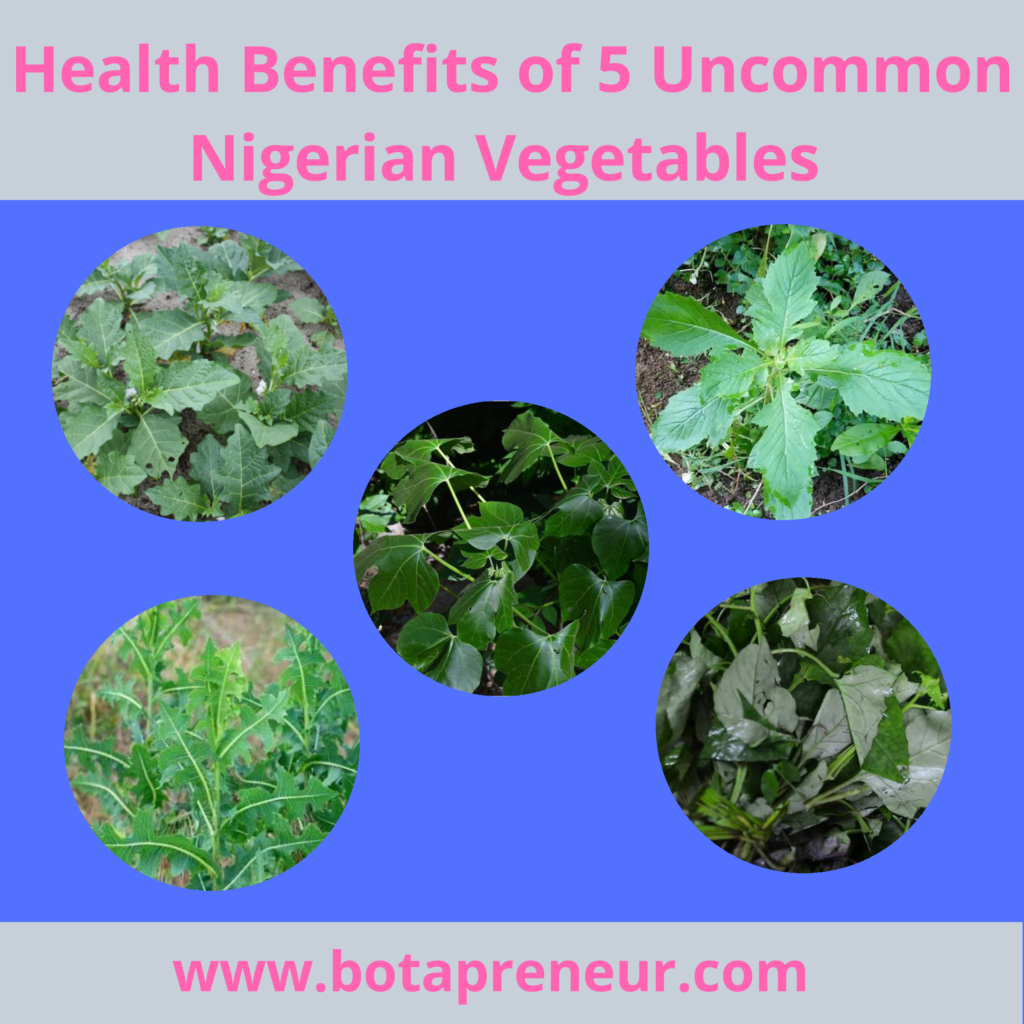
Health Benefits of 5 Uncommon Nigerian Vegetables

Few days back, my dad asked if I know Iyana paja. I sharply and excitedly replied YES. My mind had immediately thought of a popular area called Iyana paja in Lagos State, Nigeria. I was about telling him how Iyana paja is just a stone throw to Sango Otta (where I did my National Youth Service Program) when he said he was referring to a vegetable and not the Iyana paja in Lagos. There is actually a type of vegetable called iyana paja. My dad then asked me for the health benefits of this vegetable. This prompted me to write about Efo Iyana paja and 4 other types of vegetables that Nigerians have but rarely eat. 1) Efo Iyana paja This vegetable is commonly called tree spinach, or efo Jerusalem (Yoruba). It’s botanical name is Cnidoscolous aconitifolius. This vegetable has been known to be used in curing numerous ailments. It is also used to cure insomnia, gout, scorpion stings, memory and vision impairment. 2) Efo Yanrin This vegetable is commonly called Wild Lettuce and its botanical name is Lactuca virosa. The leaves of this vegetable plant are eaten fresh as a salad or cooked in soups and sauces. Wild lettuce contains two compounds known as lactucin and lactucopicrin. These two compounds act on the central nervous system. Wild lettuce has the highest concentration of lactucopicrin of all plants. However, dandelion root and chicory root are also good sources of lactucopocrin. Wild lettuce helps in keeping the nervous system healthy. 3) Efo Ebolo This vegetable is commonly known as Yoruba Bologi. It’s scientific name is Crassocephalum crepidioides. Efo Ebolo contains enough fibers and protein. It helps in dealing with constipation or irregular stool. 4) Efo Worowo This happens to be one of the vegetables I worked on for my undergraduate project and I have so much to say about this vegetable. It is botanically called Senecio biafrae. Leaf extract of worowo has been known to be used in stopping bleeding from cuts or injuries among the Yorubas. In Côte d’Ivoire, the pulped leaves are applied to the breasts as a galactagogue. In Congo, worowo is used to treat cough and heart troubles, as a tonic and to relieve rheumatic pain, prurient allergies and localized oedemas. 5) Efo Gbagba or Efo Igbo This vegetable is commonly known as African Egg Plant leaf. Its botanical name is Solanum macrocarpon. The plant is usually cultivated for its leaves, which are a bit bitter. Garden egg leaves serve as blood tonic for people suffering from a shortage of blood or are anemic. One can just wash the leaves in clean cold water, slice and eat it raw. It can be also be prepared as soup. The vegetable serves as detoxifiers to the kidney and it is more effective when eaten raw or converted into juice by boiling for few seconds and then filtering the juice in a container; this juice can be taken 3 times per day or more. The vegetable is also good for pregnant women. This is because it contains a good number of vitamins and minerals that are required for an improved health condition during pregnancy.

Health Benefits of 5 Uncommon Nigerian Vegetables Read More »

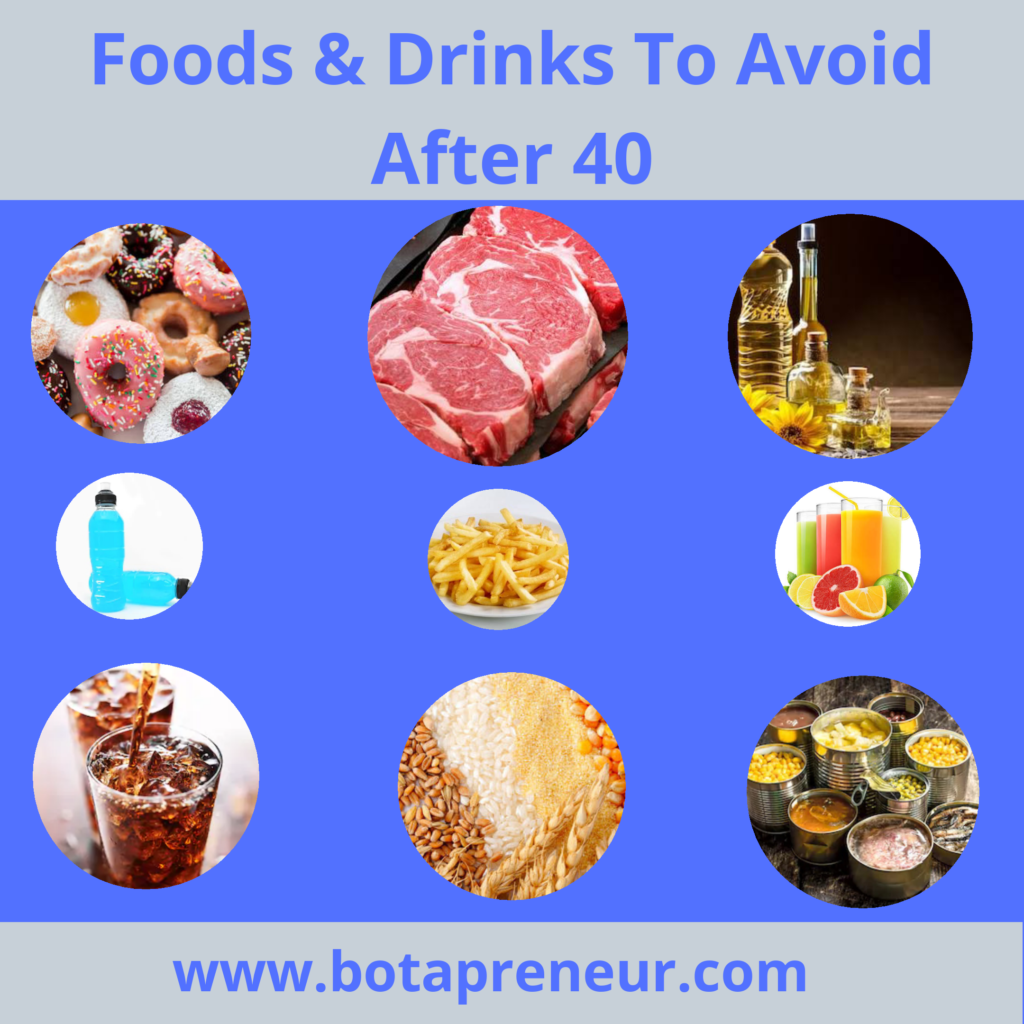
Foods & Drinks To Avoid After 40

As we age, it is important for us to eat well and maintain a healthy lifestyle because there are so many health challenges that have been linked to old age. That’s why it’s so important to keep track of one’s diet and avoid foods that put one at risk of diseases like heart disease, diabetes high blood pressure. All the foods listed here are generally not so good for health but they are worse for older people the more. Read: Older and Thriving So, it’s not just about those above the age of 40. Those that are below this age are meant to watch the consumption of these foods as well. 1) MARGARINE & BUTTER Although, margarine contains some nutrients and is seen as better option for butter, it also contains hydrogenated oil and trans fat. These two things have been associated with high risk of heart disease and other chronic health issues. Eating a lot of butter contribute to weight gain and could play a part in raising levels of LDL cholesterol. 2) FRIED FOODS Fried foods like French fries, chips, etc are not good for the health. The calories in fried foods like French fries do result in weight gain, which can lead to other diseases as well. French fries also contains acrylamide which are carcinogenic substances. Boiling, steaming, roasting, blanching and baking of foods are more healthier options than frying. 3) COOKIES Cookies are mostly eaten alone or dipped in milk. However, cookies contain lots of sugar that has effects on health. 4) FLAVOURED YOGHURTS Most times, flavoured yoghurt has more sugar than cakes. Similarly, other flavored health foods like milk, oatmeal, coconut water and smoothies are also laden with sugar. 5) MUFFINS & CUPCAKES Too much of the sugar could literally make one age. However, home-baked muffins and cupcakes can be made with stevia or honey stuffed with veggies instead of sugar. Read: 5 Best substitutes for sugar 6) CARBONATED & SODA DRINKS Carbonated drinks have high level of sugar. And when sugar consumed in large amounts, it can drive insulin resistance and is also associated with various serious conditions, including type 2 diabetes and heart diseases. They are also highly filled with fructose and caffeine. The high fructose corn syrup in soda drinks are also stored as fat in the liver. The best substitute for carbonated and soda drinks is water. 7) DOUGHNUTS Doughnuts contain plenty of sugar and refined flour which are extremely high in calories. 8) VEGETABLE OILS Vegetable Oils which includes soybean oil, rapseed oil, grapeseed oil and numerous others are highly processed and have high levels of essential omega-6 polyunsaturated fats. Although omega-6 fatty acids is considered good for the heart but consuming too much of it can cause a negative imbalance with omega-3 fatty acids. Alternatives oils like coconut oil, avocado oil and olive oil. 10) SPORTS DRINK Sports drinks were designed with athletes in mind. These drinks contain electrolytes (salts) and sugar, which used by athletes in many cases. Sport drinks are often considered as better option than sugary soft drinks but there really is no difference between them. It’s just that the sugar content is sometimes slightly lower. 11) CANNED FOODS AND SOUPS Many canned foods and soups pack are usually packed with high sodium as well as additives such as MSG (Monosodium glutamate) and are also preserved with chemicals not so good for the health. A healthier alternative is to prepare one’s meal or soup at home. Never heard about MSG in Maggi? Click here to read. 12) PROCESSED & RED MEATS Processed meats include cold cuts, hot dogs, bacon, and sausage. They are usually high in fat, low in protein, and often packed with nitrites and nitrates, which help to preserve food at room temperature. Red meats are also linked with high cholesterol and cardiovascular disease. High consumption of red meat in particular can lead to a high production of uric acid , which causes gout (a metabolic disease marked by a painful inflammation). Why you need to stop consuming too much of red meat 13) WHITE BREAD Most commercial breads are unhealthy if eaten in large amounts, as they’re made from refined flour. The body converts flour into glucose and glucose can easily be stores as fat. Flour is also low in fiber and essential nutrients and may lead to rapid spikes in blood sugar. 14) FRUIT JUICE Fruit juice is often assumed to be healthy. While juice contains some antioxidants and vitamin C, it also packs high amounts of liquid sugar. The more concentrated sugar and calories in fruit juice can lead to obesity and inappropriate weight gain. 15) CEREALS Cereals such as wheat, oats, rice, and corn are full of starch. Although they are popularly eaten among children but not so good to be consumed by older people. The major side effect of most break cereals is their high added sugar content

Foods & Drinks To Avoid After 40 Read More »

Edikang Ibong Soup

Yoooo! It’s another time to talk about food. Why food? It’s simply because we’re what we feed on whether spiritually or physically? If one will be healthy in your body, spirit, soul and mind, one needs the substance called Food. Having said that, let’s go down to business. There are these 2 canteens (owned by Igbo women) located close to my primary place of assignment (PPA). These women have really captured my heart with their Igbo soups. I only go to those shops to eat solid foods and not the regular rice. Yesterday was not an exception, I ate this correct Edikang Ibong soup that made my stomach rejoice. Let’s quickly talk about this soup called Edikang Ibong. The Nigerian Edikang Ikong soup or simply Vegetable Soup is native to the Efiks, people from Akwa Ibom and Cross River states of Nigeria. It is a general notion that the Edikang Ikong soup is very nutritious and this is absolutely true. The vegetables made in preparation of this soup are superb. Prepared with a generous quantity of pumpkin leaves and water leaves coupled with dried fish and assorted meats, this Nigerian soup recipe is nourishing in every sense of the word. INGREDIENTS 1kg Pumpkin leaves also known as Ikong Ubong /Ugu leaves 500g Water leaves (Talinum Triangulare) 600g of assorted meat: cow tripe (shaki), snails, cow’s skin(kanda) Stockfish(optional) Smoked/dried fish Pepper Salt Ground crayfish (to taste) 200ml Palm oil 1 cup Periwinkle 2 medium onions 1-2 stock cubes Alternative vegetables for those who cannot buy water leaves and pumpkin leaves: 1kg normal frozen spinach 200g ground frozen spinach 250g lamb’s lettuce (canonigos in Spanish) Defrost the frozen spinach, cut the normal frozen one into tiny pieces and mix with the ground frozen spinach. Wring out the water from these and add them when the written recipe requires you to add the pumpkin leaves. Wash, pick and cut the Lamb’s Lettuce into tiny pieces. Add them when the written recipe requires you to add water leaves. METHOD OF PREPARATION 1. When the meat is done, add a generous amount of palm oil, the ground crayfish and pepper and leave to boil for about 10 minutes. The palm oil serves as the liquid in the Edikang Ikong soup. You should try as much as possible to make it the only liquid in the soup. 2. Add the periwinkle and water leaves, leave to cook for another 5 minutes. You may have to cook for less time at this stage so that the water leaves are not over-cooked. 3. Now, add the pumpkin leaves and salt to taste. Stir the contents of the pot very well and turn off the heat. Cover the pot and leave to stand for about 5 minutes. 4. That’s it! Serve with Garri (Eba) , Semolina Fufu , Amala, Cassava Fufu or Pounded Yam.

Edikang Ibong Soup Read More »

Amazing Health Benefits of Tiger Nuts Drink

Amazing Health Benefits of Tiger Nuts Drink

As a Corps Member, there’s a unique kind of joy I feel every time I head out for Community Development Service (CDS). One of the highlights of my CDS days has surprisingly become a wholesome, delicious treat I now look forward to – tigernut drink. Before now, I had heard about how tigernuts are packed with nutrients, but I had never tasted the drink itself. Thankfully, I’ve had the chance to try it, and I must say, it has become one of my favorite discoveries during this NYSC journey! Tiger nut drink isn’t just refreshing, it’s incredibly healthy. Now that I enjoy it regularly, I thought I should share a little more about it with you. If you’ve never tried this drink before, you’re definitely missing out on a nourishing delight. Click here to read about the health benefits of Zobo drink  What Are Tigernuts? Tigernuts, botanically known as Cyperus esculentus, are small root vegetables not actual nuts. They’re also commonly called earth almonds, chufa, rush nuts, yellow nutsedge, or nut grass. Despite their tiny size, they pack a punch when it comes to nutritional value. Top 5 Health Benefits of Tiger Nuts Tigernuts are packed with nutrients and have long been celebrated for their numerous health benefits. Whether you’re looking to boost your digestion, support heart health, or enjoy a natural energy drink, tiger nuts offer a wholesome, plant-based solution. 1. High in Fiber for Better Digestion and Weight Loss Tigernuts are extremely rich in dietary fiber, which helps improve digestion and prevent constipation. A fiber-rich diet also supports weight loss by keeping you full longer and curbing unnecessary snacking. 2. Natural Support for Blood Pressure Tigernuts contain a high level of arginine, an amino acid known to support heart health. Arginine helps regulate blood flow, making tiger nuts a beneficial natural remedy for people with high blood pressure. 3. Packed with Essential Vitamins and Minerals Loaded with magnesium, potassium, Vitamin C, and Vitamin E, tiger nuts strengthen the immune system and help the body fight off disease.Did you know? Vitamin E is well known for improving skin glow and promoting healthy, youthful-looking skin and tigernuts contain it in abundance! 4. A Natural Aphrodisiac In many African cultures, tigernuts have been used as a natural aphrodisiac. They are believed to help improve sperm count and treat erectile dysfunction, making them a natural support for male reproductive health. Creative Ways to Enjoy Tiger Nuts Tigernuts are incredibly versatile and can be enjoyed in several delicious and healthy ways: Raw Snack:Enjoy tiger nuts straight out of the pack as a crunchy, naturally sweet snack. They’re perfect for mid-day munching or as a high-fiber alternative to processed snacks. For a softer texture, soak them overnight in water before eating.   Tiger Nut Flour for Baking:Gluten-free and naturally sweet, tiger nut flour is a fantastic alternative for those with wheat sensitivities. Use it to bake pancakes, muffins, bread, or cookies. It adds a nutty flavor and boosts the fiber content of your baked goods without the need for refined sugars.   Blended in Smoothies:Add soaked tiger nuts to your smoothie recipes for an extra creamy texture and nutritional boost. Blend with bananas, dates, and almond milk for a satisfying and energizing drink that’s perfect for breakfast or post-workout recovery.   Tiger Nut Milk (Horchata de Chufa):Blend soaked tiger nuts with water, then strain to enjoy your own natural, plant-based milk alternative. It’s creamy, dairy-free, nut-free, and perfect for people with dietary restrictions. Sweeten naturally with dates or honey and add cinnamon or vanilla for flavour. You can order our already made tigernut drink here.   Sprinkle on Salads or Yogurt:Chopped or crushed tiger nuts can be sprinkled over salads, granola, or yogurt bowls for a tasty crunch and added fiber. Who Can Benefit from Tiger Nuts? Tigernuts are incredibly versatile and suitable for people of all ages and dietary needs. Here’s who should definitely consider adding them to their wellness routine: ✅ Vegans and Plant-Based EatersTiger nuts are completely plant-based and loaded with essential nutrients like magnesium, iron, and healthy fats making them an ideal addition to vegan diets that need clean, natural nourishment. ✅ Lactose-Intolerant or Dairy-Free IndividualsLooking for a creamy, non-dairy milk alternative? Tiger nut milk is naturally sweet, smooth, and free from lactose, making it perfect for anyone avoiding dairy. ✅ Gluten-Free and Nut-Free LifestylesTiger nut flour is naturally gluten-free and also not a true nut, so it’s a safe and nutritious option for people with gluten sensitivity, celiac disease, or nut allergies. ✅ Health-Conscious ConsumersIf you’re focused on better digestion, more energy, and radiant skin, tigernuts offer a natural way to support gut health, boost immunity, and enhance skin vitality. ✅ Kids and the ElderlyTiger nut milk or soaked tiger nuts are gentle on the stomach and rich in nutrients making them great for both children and the elderly who may need easy-to-digest, nourishing foods.

Amazing Health Benefits of Tiger Nuts Drink Read More »

Why You Need To Eat Beans

  There is this general belief that men love eating beans than women. I have always wondered why this is so. Could it be as a result of nature? Of course, I don’t think it is a rule as well. I know beans is one of the major source of protein being taught in schools. It one of the foods we eat a lot in my family as well. Despite all these, I couldn’t love beans still. I prefer rice to any other food. Everybody knows me as rice freak. I had eaten rice for a whole week before and I never got tired of it. At a point, I had to reason along with the fact that I needed protein in my body. I was really deficient of protein and I have to fall in love with beans by force. Now, beans is one of my best food as I’m really enjoying it. Beans  are food plants of the Papilionaceous family , in which there are as well known trees as the carob tree or herbs as alfalfa. Beans are another species of papilionaceous used as food for the nutritional value of seeds enclosed in their pods. The genus Phaseolus is the commonest and it comprises about 36 species. 1) Phaseolus vulgaris : Also called “common bean”. 2) Phaseolus coccineus: Known by the common name of runner bean or scarlet runner bean . 3) Phaseolus acutifolius : (Tepary bean) 4) Phaseolus polyanthus : (Year bean) The above species are still classified into varieties. Some of which are : * kidney beans * soy beans * garbanzo beans * adzuki beans * lima beans * red lentils * green lentils * brown lentils * black beans * black eyed peas * broad beans * red beans * butter beans * fava beans * great northern beans * haricot beans * mung beans * navy beans * pinto beans * yellow split peas * green split peas * white beans Some of these varieties are not found in Nigeria. Nevertheless,beans is still beans. Why Should We Eat Beans ?  1) Beans are known to be a high source of protein. 2) They contain negligible fat, sodium, and cholesterol. Health benefits of beans include a good amount of dietary fiber. 3) It also contains important minerals like calcium (for bone health) and potassium (for overall health). 3) It is rich in folates, which help in keeping a healthy heart and preventing cancer. Folates are also very important for women of childbearing ages and those in early stages of pregnancy. Read this:  Health benefits of Folic Acid 4) Beans also provide the body with soluble fiber, which plays an important role in controlling blood cholesterol levels. Studies find that about 10 grams of soluble fiber a day reduces cholesterol by about 10 percent. 5) Beans also contain saponins and phytosterols,which help lower cholesterol. Debunk the theory that says beans make people purge. It isn’t true. All of you have to ensure is cooking the beans properly. There are many varieties of food one can prepare from beans. Anyone still finding it difficult to eat beans can try any of the varieties. We have both local and international dishes we can get from beans. Some of the local dishes are : 1) Moi Moi (Moin Moin) The beans coat is removed by a special technique and the beans blended and cooked with ingredients. These days, some people do not peel the beans before preparing this meal especially when using brown beans. 2) White Moi Moi (Ekuru) Another version of Moi Moi which is cooked without any ingredients, usually eaten with stew and Eko. 3) Akara (Bean Cake/Balls) This is another food recipe where beans coat is removed, the seeds blended and fried to make balls known as bean cakes. It is a very popular breakfast meal. 4) Ewa Agoyin Also known as Beans & Stew. Is is a good way to enjoy beans even if you are not a fan of beans. It tastes oh-so-good with soft, stretchy bread. 5) Peeled Beans Porridge In this beans recipe, the beans coat is also removed and the beans cooked as in Beans Porridge. 6) Gbegiri Soup Gbegiri Soup is a Yoruba soup prepared with beans. It goes well with Amala when served with Ewedu Soup. Better still, beans can be cooked with rice. This can be served with stew and meat/fish. Yummy!!! Yummy!!! It is advisable to have beans or its varieties in the family menu especially when you have young children in the family. BEANS ALL THE WAY.

Why You Need To Eat Beans Read More »

Shopping Cart

Planning an Event? Secure your 100% natural drinks with 2-week advance booking.