Racheal Ayoola

Racheal Ayoola is a professional food technologist, passionate about food safety, food quality, nutrition, and development of local foods. Being an advocate for health and general well-being, she believes that with the right nutrition and knowledge, a lot of nutritional diseases can be prevented and curbed.

How to Drink More Water Every Day

Water makes up more than 60% of the human body, playing a crucial role in nearly every bodily function. While we can survive several days without food, going just a few days without water is scientifically impossible. Proper hydration impacts everything from nutrient metabolism to the performance of vital organs especially the cardiovascular and excretory systems. To maintain hydration, your body needs adequate water primarily through drinking water and consuming hydrating foods. But how much is truly enough? While many people stick to the popular “8 glasses a day” rule, the truth is that hydration needs vary. Your body composition, activity level, climate, and even overall health influence how much water you should drink daily. Terms Used for Water Intake Hydration: It is the replacement of lost fluid, especially water, in the human body. Dehydration: It is when there is less inadequate water in the body system. Overhydration: It is a condition that occurs from drinking too much water. Hydration management: It is the practice of maintaining adequate fluid balance to prevent complications resulting from undesired or abnormal fluid levels. Methods of Hydration The easiest way to be hydrated is by simply drinking water.   Another way to stay hydrated is by consuming other liquids that supplies the body with water, e.g, foods like tea, lemonade, lettuce, some vegetables, and most fruits. They all provide water that can help with hydration.   Administering fluids through IV is usually the most common method used medically. This method is usually faster than taking water directly.   Also, there’s another method which is to inject fluids directly into the tissues of the body for it to be absorbed. This method is the slowest process of hydration. You should manage your hydration so that you will not end up needing medical attention. Misconceptions About Water Consumption Drinking cold water causes some illnesses.Many, especially older folks believe that cold water could result in illnesses like cold. Some believe that it can make oil and fat foods turn into clogs that may affect the kidney and gallbladder which may later result in diseases years later.   Drinking water while eating can disrupt digestion.Some people believe that drinking water between meals is harmful to the digestive system, research has actually shown that moderate water intake in between meals aids digestion.   Drink water only when thirsty.A lot of people only drink water when they are thirsty. Actually, by the time you feel thirsty, you are already mildly dehydrated. This is an indication not to wait till you are thirsty before drinking water.   Sachet water is safe because it is sealed.That something is sealed does not make it safe. Many sachet water producers do not follow proper purification standards.   Clay pots make water healthier.While traditional clay pots keep water cool naturally, they do not improve water quality nor do they make water healthier rather they can harbour bacteria if not properly cleansed. These and many more misconceptions often lead to inadequate hydration or taking unsafe water, especially in rural and unexposed areas. Ten Signs of Dehydration If you do not drink enough water, these are the signs of dehydration you need to be aware of: Dark yellow urine with a strong smellExtreme thirstHeadachesLightheaded, or dizzinessMuscle crampsConfusionLethargyFunctional declineIncreased risk of fallRapid pulse Harms Dehydration can Cause the Body There are several harms dehydration can cause to the body. Some of them are:Swallow problemWeight loss/ weight gain which could be life threatening. FeverCongestive heart failureExcessive sweatingNauseaInfection Abdominal painParkinson’s Disease How Much Water Do I Need Daily Contrary to the popular belief of eight(8) glasses daily, there isn’t a set amount of water that everyone should drink in a day. Some factors determine the amount it takes to hydrate a person. They are: Body composition: People who are larger in size and have higher body mass require more water intake than people with smaller body mass.   Activity level: A sporty person, and people who generally exercise and participate in physical labour will need more water than a regular person.   Climate: Hot weather accelerates fluid loss which in turn requires more water intake than cold weather.   Diet: Foods that are high in sodium, caffeine, and high alcohol intake increase hydration needs.   Age: Elderly people because of reduced thirst sensation feel less thirst than the younger ones. Common Challenges to Staying Hydrated Many people forget to drink water probably because of their busy schedules or intense focus periods.   Dislike for plain water. Many are in this category, so they would rather choose a beverages, e.g. soda.   Inconsistency because of change in the environment.   Not recognising early the signs of mild dehydration, e.g., fatigue, mild headache, and dark yellow urine colour.   Certain medications and medical conditions increase dehydration risk. Read about the benefits of drinking water here Tips to Address Dehydration Challenges Start each meal with a glass of water. It helps with portion control and ensures regular intake.   Keep a reusable water bottle near sight always. When you have water in sight, it may help you remember to drink water even in the middle of your busy schedules.   For people who do not like plain water, you can add cucumber, lemon, or berries to your water for flavour.   Drink a full glass of water when taking medication.   Your water stations at home or work should be where they will be easily accessible.   Replace soda with water. Add natural flavoring if you do not like the plain taste.   Include water-rich fruits and vegetables like watermelon and cucumber slices in your meals.   Set phone reminders at regular intervals if you have to.   Be intentional about drinking water. Benefits of Hydration If the body is composed of about 60% water, why do we need to worry about being hydrated? Well, the body loses water daily through breathing, sweating, and getting rid of both liquid and solid waste. You may want to ask, how exactly does drinking adequate

How to Drink More Water Every Day Read More »

How to Get Rid of Stubborn Belly Fat Effectively

How to Get Rid of Stubborn Belly Fat Effectively

For millions of people worldwide, belly fat is a major concern, and many are willing to go to great lengths to get rid of it. Centuries ago, hunter-gatherers didn’t have to worry about how much they ate to avoid general body fat, including belly fat—their bodies simply regulated it. Now, in the 21st century, there’s an epidemic of excess abdominal fat because the environment we dwell in makes it almost inevitable. In a world where getting food is as simple as taking a trip to the grocery store, high-calorie fast foods are everywhere, and labor-saving devices limit physical exertion, it has become far too easy to accumulate fat in the body. This post will thoroughly examine what belly fat is, its causes, why it is stubborn, and how to beat it. So, if you have belly fat and want to get rid of it naturally, grab a cup of smoothie and stay glued, you’re in the right place! Belly Fat: What Is It About? Belly fat, also known as abdominal fat, lies beneath the tummy muscles and is stored within the abdominal area. There are two types: Subcutaneous Fat: This type lies just beneath the skin. It is soft and pinchable. Visceral Fat: This type is stored deep inside the abdomen and surrounds internal organs like the liver and intestines. It releases hormones and inflammatory compounds that can interfere with your metabolism and overall health, making it harder to lose. When burning fat through diet and exercise, it’s often easier to shed fat from other parts of the body, but belly fat seems to stubbornly scream, “I don’t want to leave!”  How does Belly Fat Accumulate? From a scientific perspective, when a person consumes more calories than they burn, the excess is converted into body fat and stored for later use. Consistently accumulating excess fat daily causes the stored fat to become unutilized, eventually spreading to various parts of the body: the arms, legs, face, and most noticeably, the belly. Science agrees that sugar and highly processed foods are the primary culprits behind belly fat for most people. Belly fat is also influenced by other factors such as: Having high levels of fat-storing hormones and low levels of fat-burning hormones. Age Lifestyle: Diet, physical activity, stress levels, and sleep quality. Genetics  Health Implications of Visceral Fat Excess visceral fat can lead to several health issues, including:  Type 2 diabetes High blood pressure Certain cancers Heart diseases  Sleep apnea What Makes Belly Fat Stubborn? Think of the body as a large storage room that has accumulated items for many years. Clearing it out won’t happen in the blink of an eye. It will require effort and persistence, much like deep cleaning to create space. Similarly, belly fat doesn’t disappear overnight; it takes consistent work and patience. Belly fat cells have more receptors for stress hormones (like cortisol) and insulin than fat cells in other areas of the body. This makes it easier to store fat in the belly but harder to lose. Hormonal balance is another critical factor that makes belly fat difficult to shed. When you’re stressed, your body releases cortisol. Instead of burning energy, the body stores fat, especially in the abdominal region.. Four Major Things That Causes Different Level of Belly Fat in People are: Genetics This significantly influence where the body stores fat. Some people are genetically predisposed to store more subcutaneous fat, while others are more likely to accumulate visceral fat.    Hormones Hormones play a crucial role in fat distribution. For example, men typically store more visceral fat due to their hormonal makeup, particularly testosterone levels. Women on the other hand, influenced by estrogen, tend to store subcutaneous fat, especially in the lower body. However, as estrogen levels decrease with age, they become more prone to visceral fat storage, leading to increased belly fat. Conditions such as PCOS and hypothyroidism can also make losing weight challenging.   A Poor Lifestyle Factors such as inadequate sleep, poor dietary choices, irregular sleep patterns, and a lack of physical activity contribute to weight gain, particularly around the belly.    High Stress Levels Chronic stress increases cortisol levels, a hormone that promotes visceral fat storage, making belly fat harder to lose. 6 Ways To Shed Off Belly Fat Think of gluttony and obesity as a peculiar disease, not one caused by a virus or bacteria, but by the very lifestyle you may consider enjoyable. With that notion in mind, you can employ the following methods to get rid of accumulated belly fat: 1. Eat a Balanced Diet Incorporate whole foods, lean proteins, healthy fats, probiotics, and fiber into your meals. Portion your servings carefully and limit or completely avoid highly processed foods. 2. Move Your Body If intense exercises seem daunting, start small. Walk, jog, lift, skip, or dance—just keep moving. It is recommended to engage in moderate exercise for at least 120 minutes per week. 3. Prioritize Adequate Rest Getting 7-8 hours of sleep daily is essential for overall health. Proper rest regulates hormones, which can help reduce belly fat. 4. Manage Stress Stress releases hormones that contribute to fat accumulation. For some, it leads to binge eating unhealthy foods. If you fall into this category, take proactive steps to reduce and manage stress effectively. 5. Stay Hydrated Drink plenty of water daily. Staying hydrated supports overall health and can aid in weight loss. 6. Seek Professional Help When needed, consult a professional. They can identify underlying health issues and develop a personalized plan to help you achieve your goals. Losing belly fat begins with changes in visceral fat, the deeper fat surrounding internal organs that you cannot see. Visceral fat is more dangerous to your health, but as you adopt these suggested lifestyle changes, it is the first to decrease. You may notice a reduction in your waist circumference before seeing visible changes in pinchable subcutaneous fat. You can also click here to read this article: detox drink for belly fat Conclusion Belly fat can feel

How to Get Rid of Stubborn Belly Fat Effectively Read More »

A diverse family enjoys breakfast together in a modern kitchen setting, highlighting love and togetherness.

Building Healthy Habits: Tips for Parents to Encourage Nutritious Eating in Children

Nurturing a healthy eating habit among children has become a crucial topic in recent times, especially because it forms the foundation for lifelong health and development. A child’s body needs the right amount of nutrients at the right time to ensure proper growth. Recently, it is very common to see gaunt and obese children. The modern lifestyle of making fast foods, junk food, and processed foods the first choice for children is causing more havoc than we all bargain for. Many of these junk foods contain a high amount of unhealthy fat, sugar, and cholesterol which in turn could lead to unhealthy dietary patterns.  Naturally, children will pick sweet and salty tastes over sour and bitter tastes, but when they are constantly indulged in fast foods, junk, and processed food over homemade meals, they are more likely to have odd eating patterns throughout their growing stage. This makes it important for parents to put in place measures to inculcate healthy eating habits as early as possible to develop a healthy lifestyle. Simply put, the chemistry between a healthy diet and good health cannot be overemphasized, even in children. Stay with me, and let’s see together how we can form healthy eating habits in children. What is a Healthy Diet? A healthy diet is all about eating a balanced and sufficient variety of nutritious foods. It is not excessive, not deficit, but just adequate to meet the energy needs of the individual. However, due to the pressures of the modern lifestyle, and the lack of knowledge of many parents, there is a struggle to establish healthy eating habits in children. The question now is how can I then help my children to eat healthy? Let’s check together. 10 Tips for Parents to Encourage Healthy Eating Habits in their Children. 1. Start early. The earlier you start to inculcate healthy habits, the better for both parties. Getting kids to change their eating habits when they are a little grown-up can be a little difficult. 2. Inculcating healthy eating behaviour in children begins with you as a parent following healthy feeding practices yourself. Your healthy feeding practices will limit unhealthy habits in your children. Also, try as much as possible to eat the same foods as your children. 3. Do not indulge your children by allowing them to dictate food choices to you. I understand that you want to please your kids, but when you allow your children to always make their own choices, and to eat what they like while leaving the rest, they may end up becoming picky eaters. 4. As long as it is within your power, and the child does not have allergies, set clear boundaries about meals and snacks. Let the kids know that you are in charge, not them. 5. Make food fun and appealing. Plate food in a very attractive way. Be creative with your food presentation in such a way that it will appeal to the child.  6. Involve older children in meal planning, take them along to grocery shopping when you can, allow them to pick a new fruit or veggies to eat for that week, and sometimes let them participate in food preparation. It may help them get curious about new foods. 7. Increasing their physical activities may help them to eat more if your children usually don’t like to eat. 8. Reduce food intake that contains added sugars, excess sodium, and high saturated fats,  and start replacing these with whole meals like vegetables, fruit, whole grains, lean protein, seafood, and low-fat dairy products. 9. Do not use food to pacify or reward children, or make children eat everything on their plates. While it might be done with good intentions, it may affect the self-control of your child when it comes to food. It may also teach children to ignore their stomach cues even when they are full because of fear. 10. Do not judge, abuse, starve, or excessively control your children because they didn’t eat their meals, it may have a negative impact on their perspectives about food. Instead, be patient and communicate positively.  How can I Build Sustainable Healthy Eating Habits for My Children? Understand the basis of a child’s Nutrition Have a foundational knowledge about the essential nutrients children need at different developmental phases. Read about them if you must. Feed them nutrient-dense foods that take time to digest instead of empty calories and sugary foods that will leave them wanting more food. Give them appropriate portion sizes for different age groups.  Usually, a child’s stomach is small and they are energetic, so they’d probably eat more frequently than an adult would. Know the foods that especially impact children’s physical strength, cognitive development, and emotional well-being, and make sure to add them to your meal plans. Make Healthy Food Choices Home-made meals are generally cheaper than regular take-out. Home-made meals do not have to be complicated, also you have control over the cooking method and ingredients used. Replace unhealthy junk food and snacks with healthy food and snacks. Avoid giving children surgary juices and sodas, rather stick to water or make fruit juice and smoothies for them. Avoid frying a lot, instead, you can bake or grill foods. Give your children proteins such as eggs, fish, and even chicken breasts. Avoid refined grains as much as possible Cut into chunks fruits and veggies, and fill half of their plates with it. Keep junk food to the barest minimum in your house and choose healthy snacks instead such as tangerines. Balance Nutrition and Pleasure Create a healthy relationship between balanced nutrition and treats on special occasions. Using food as a reward or punishment should be avoided. Your children know when they are full. Do not force them to clear up their plates, which may lead to overfeeding. This can foster intuitive eating skills that will serve children throughout their lifetime. Practice Mindfulness while Eating Mindful eating is being present while eating. Teach your kids to bring their physical sensations and

Building Healthy Habits: Tips for Parents to Encourage Nutritious Eating in Children Read More »

Setting SMART Goals: The Keys To Achieving Your Health and Wellness Aspirations

In the world we live in today, goal setting has become an intervention for many people across various professions. Due to its impact, it has proven to be an invaluable tool for leading an effective and balanced life. To prioritize health and wellness, good health habits must be formed, and health-degrading behaviors need to be eliminated. All of this cannot be achieved easily without setting SMART goals. What Are SMART Goals? SMART goals are essential tools that help clarify what we aim to achieve with available resources, increasing the likelihood of successfully reaching those objectives. Representation of What SMART Means S – Simple, Specific, and SignificantYour health and wellness goals should be straightforward and clearly defined, not overly complicated or driven by fleeting emotions. Make them reasonable and purposeful to ensure they guide your efforts effectively. M – Meaningful and MotivatingWellness goals should carry a sense of importance and clearly reflect why you’re setting them. A meaningful goal inspires commitment, while motivation keeps you focused and driven to achieve it. A – Achievable, Action-Oriented, and AccountableSet realistic goals that you can act upon and accomplish. Avoid ambiguity; instead, focus on goals that are practical and within reach. Take deliberate actions to meet your objectives and hold yourself accountable whether through personal discipline or by involving an accountability partner to stay on track and foster responsibility. R – Realistic, Reviewable, and Results-OrientedYour goals should be manageable based on your current situation. For example, aiming to fast for an entire day without ever having fasted for half a day is unrealistic. Ensure your goals are adaptable and, most importantly, capable of producing tangible results. After all, goals that don’t lead to meaningful outcomes are of little value. T – Time-Specific, Tangible, and TruthfulEvery goal should have a clear timeline with defined start and end points to help you allocate time effectively and meet deadlines. Balancing short-term and long-term goals keeps your health and wellness journey structured. Above all, be honest with yourself and set tangible, achievable goals that reflect your true aspirations. Short-Term and Long-Term Health Goals: Is There Any Importance? Long-term goals are typically broad and require a longer period, six months or more. In contrast, short-term goals can be achieved within a much shorter time frame, usually ranging from one week to six months. Your long-term health and wellness goals should be an accumulation of several short-term goals. For example, if your long-term goal is to lose 15 kg in one year, your short-term goals might include adjusting your meal plans, cutting down on junk food, exercising regularly, and resting adequately. Each short-term goal should have specific objectives: How many times will you eat daily/weekly? Will you incorporate fasting periods? What type of exercises will you do? How many minutes/hours will you allocate to exercise? How many hours of rest will you have daily? On the other hand, short-term goals should focus on initiation, maintenance, and eliminating unnecessary habits. In essence, both short-term and long-term goals are important. While long-term goals give you purpose and direction, short-term goals keep you focused and motivated. A 5-Step Plan for Achieving Your Wellness Goals Nourishing and Fueling What enters your mouth significantly impacts your wellness journey. Adopt healthy eating habits that align with your lifestyle. A nutritious diet enhances your physical and mental well-being, helps prevent diseases, and promotes healing. Get rid of junk food in your home. Avoid environments (e.g., parties) where you might be tempted to abandon your goals. Learn to turn down offers of food or drinks that don’t align with your wellness goals. Gradually, even your friends and family will come to terms with your wellness boundaries.   Energy and Flexibility Daily movement affects your physical, mental, and emotional health. Movement enhances flexibility and builds strength. Regular physical activity can lower blood pressure, reduce cholesterol, and alleviate body pain caused by prolonged sitting or lying down. Examples of beneficial activities include: Walking Jogging Gardening Dancing Weight lifting   Sleep and Recharge Adequate rest is essential for optimizing your health. Quality sleep replenishes your mental and physical energy, preparing you to face daily challenges effectively.   Accountability Be accountable whether to peers, mentors, or an authority figure. Let others know about your health and wellness journey. You’ll be surprised how they can help keep you on track. Accept compliments, feedback, and constructive criticism in good faith; accountability can yield remarkable results.   Power of the Mind The mind is incredibly powerful and directly influences your mental and emotional health. Your thoughts affect your body, so focus on positivity. Believe you can achieve your goals. Write them down, paste them in visible places around your home, read them daily, and take consistent action. You’ll be amazed at the progress you make. Conclusion Achieving health and wellness goals is not as insurmountable as climbing Mount Everest. With SMART goals, you can take control of your health. While setbacks and resistance may occur, don’t give up—your wellness journey is worth the effort. Until you achieve your goals: Fuel your aspirations. Believe in their possibility. Stay focused. Put in the work. Let the results speak for you.

Setting SMART Goals: The Keys To Achieving Your Health and Wellness Aspirations Read More »

10 Refreshing and Nutritious Smoothie Recipes for a Healthier You

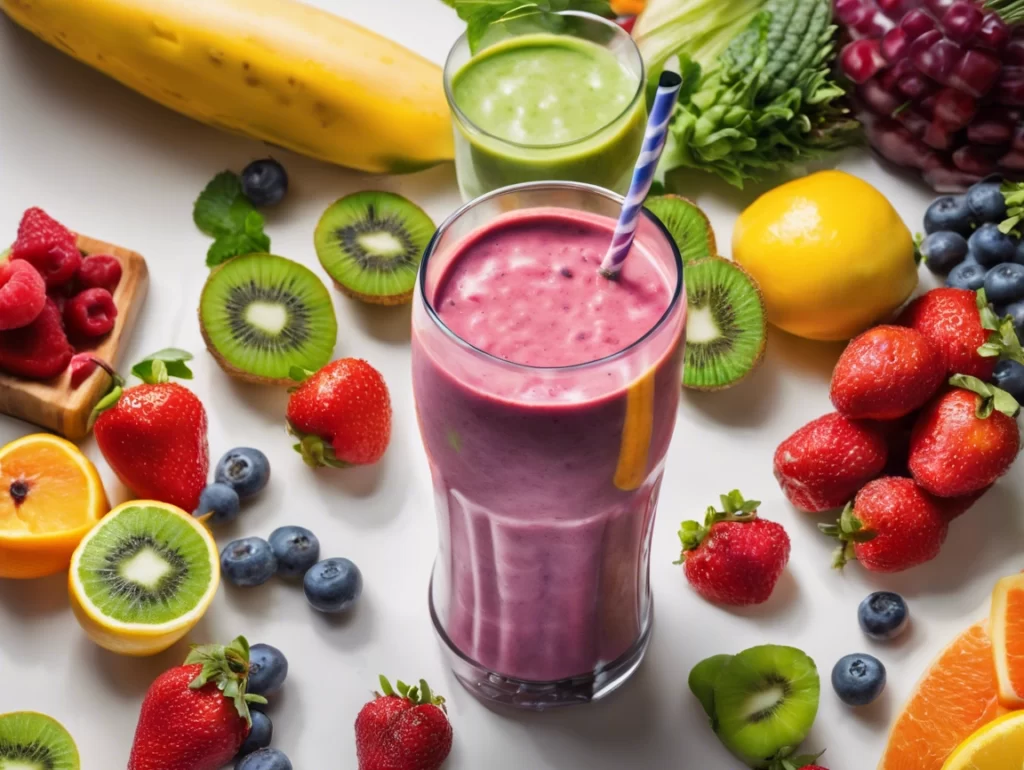
Current consumption trends show that many people are adopting natural fruit and vegetable based beverages (such as juices and smoothies) into their diets over soda and carbonated drinks. Joining this movement would be a game-changer for your health. Not only are smoothies nutritious and satisfying, but they are also incredibly easy to prepare. And the taste? It’s like enjoying a guilt-free indulgence. What Are Smoothies All About? Smoothies are drinks made by blending whole fruits or vegetables. Research has shown that natural smoothies are more filling than a glass of milk. Smoothies are semi-liquid, thick in consistency, and often made into a puree. Smoothies made with nutrient-rich fruits, dairy products, and vegetables play an important role in promoting healthy living. Including fresh, homemade smoothies into your routine can help you move away from carbonated drinks. The lasting impact? Your mental, physical, and emotional well-being will improve significantly. General Benefits of Smoothies 1. They are usually thick, delicious, and more satisfying than carbonated drinks. 2. Smoothies are a great source of fiber, which helps the body eliminate waste materials and harmful toxins. 3. They serve as a healthy breakfast or snack replacement over unhealthy foods. 4. Smoothies are a good option for those who don’t like eating whole fruits. 5. They are a healthier substitute for empty-calorie drinks. 6. Water-soluble fiber in smoothies helps lower cholesterol and stabilize blood sugar. 7. Smoothies are an easy way to consume herbs or supplements. 10 Easy-to-Make Nutritious Smoothie Recipes for a Healthier You 1. Pineapple Strawberry Smoothie Ingredients: 1 cup pineapple chunks 1 cup strawberries Ice (optional) Mode of Preparation: Wash and cut the pineapple and strawberries. Place all ingredients into a blender. Blend until smooth and creamy. Add ice if desired. Health Benefits: Pineapple contains antioxidants and aids digestion, while strawberries strengthen the immune system and help manage blood sugar.   2. Cucumber, Apple, and Mint Smoothie Ingredients: 1 cup sliced cucumber ½ cup mint leaves 1 cup sliced apples Ice (optional) Mode of Preparation: Wash and slice the cucumber and apple. Add all ingredients to a blender. Blend until smooth. Add ice for a chilled effect. Health Benefits: Cucumbers keep you hydrated, apples are rich in potassium and vitamin C, and mint reduces cold symptoms and boosts the immune system.   3. Mango Watermelon Smoothie Ingredients: 1 cup sliced mango 1 cup sliced watermelon 1 cup milk (almond milk or tigernut milk) Mode of Preparation: Peel and slice the mango and watermelon. Add all ingredients to a blender. Blend until smooth. Add ice if preferred. Health Benefits: Mango and watermelon have anti-inflammatory properties that boost the immune system.   4. Moringa Leaf and Banana Smoothie Ingredients: 1 handful fresh moringa leaves 2 bananas 1 cup milk 1 tablespoon honey Mode of Preparation: Wash the moringa leaves thoroughly. Peel and slice the bananas. Combine all ingredients in a blender. Blend until smooth and creamy. Health Benefits: Moringa leaves are rich in potassium, calcium, and protein, while bananas improve digestion and stabilize blood sugar.   5. Avocado Kale Smoothie Ingredients: 1 ripe avocado 1 cup kale leaves 1 banana 1 cup milk or water 1 teaspoon ginger Mode of Preparation: Wash the kale leaves. Scoop the avocado flesh and slice the banana. Add all ingredients into the blender. Blend until smooth and creamy. Health Benefits: Avocado provides healthy fats, kale offers fiber, and ginger has anti-inflammatory properties.   6. Banana Spinach Smoothie Ingredients: 1 ripe banana 1 cup fresh spinach 1 cup almond milk 1 tablespoon honey (optional) Mode of Preparation: Wash the spinach leaves. Peel and slice the banana. Blend all ingredients until smooth. Health Benefits: Bananas are rich in potassium and vitamins, while honey supports digestive health and adds natural sweetness.   7. Mixed Berry Smoothie Ingredients: 1 cup strawberries, blueberries, and raspberries (mixed) 1 handful almonds 1 cup milk Mode of Preparation: Wash the berries.  Combine all ingredients in a blender. Blend until smooth and creamy. Health Benefits: Berries are rich in antioxidants and promote heart health, while almonds provide fiber and lower cholesterol.   8. Cucumber Lime Smoothie Ingredients: 1 medium cucumber Juice of 2 limes A handful of mint leaves Mode of Preparation: Wash and chop the cucumber. Extract juice from the limes. Add all ingredients to a blender. Blend until smooth. Add ice for a chilled texture. Health Benefits: Cucumbers hydrate the body, and lime boosts immunity with its vitamin C content.   9. Watermelon Mint Smoothie Ingredients: 2 cups watermelon chunks A handful of mint leaves Ice (optional) Mode of Preparation: Cut the watermelon into chunks. Add watermelon, mint, and ice into the blender. Blend until smooth. Health Benefits: This smoothie detoxifies the body and boosts immune function.   10. Tropical Avocado Citrus Smoothie Ingredients: 1 ripe avocado Juice of 2 oranges Juice of ½ lime Mode of Preparation: Scoop the avocado flesh. Extract juice from the oranges and lime. Blend all ingredients until smooth and creamy. Health Benefits: Avocado provides healthy fats and fiber, while citrus fruits are rich in vitamin C and antioxidants. Conclusion From detoxing the body to serving as a healthy snack, smoothies provide everything you need to sip your way into a healthier lifestyle. With benefits like reduced blood sugar, healthier skin, weight loss, and protection from cardiovascular diseases, I encourage you to incorporate smoothies into your diet today.

10 Refreshing and Nutritious Smoothie Recipes for a Healthier You Read More »

Shopping Cart

Planning an Event? Secure your 100% natural drinks with 2-week advance booking.