
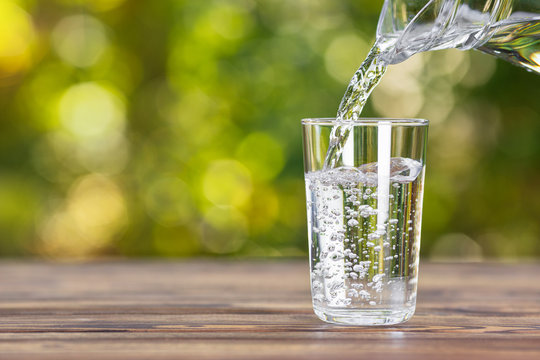
When we think about hydration, we usually think about drinking more water. However, hydration beyond water is essential for maintaining energy, focus, and overall wellness.
While water is important, true hydration also depends on electrolytes, herbal teas, and water-rich foods that help your body absorb and use fluids effectively.
If you drink plenty of water but still feel tired, foggy, or depleted, your body may need more than just H₂O.
Why Hydration Is More Than Water
Hydration isn’t only about the amount of fluid you drink. It’s also about how well your cells absorb and retain that fluid.
Proper hydration supports:
Energy levels
Brain function and focus
Muscle performance
Healthy digestion
Blood sugar balance
Hormonal health
Without key minerals, water may pass through the body without fully hydrating your cells.
The Role of Electrolytes in Hydration
Electrolytes are minerals that regulate fluid balance and support nerve and muscle function.
Important electrolytes include:
Sodium
Potassium
Magnesium
Calcium
Why Electrolytes Matter
Electrolytes help:
Move water into your cells
Prevent dehydration
Support energy production
Reduce headaches and fatigue
You may need more electrolytes if you:
Sweat frequently
Exercise regularly
Drink large amounts of plain water
Experience fatigue or dizziness
Have frequent muscle cramps

Natural Ways to Add Electrolytes
You don’t need sugary sports drinks to support hydration.
Better options include:
• A pinch of sea salt in water
• Coconut water
• Bone broth
• Mineral water
• Sugar-free electrolyte powders
When combined with adequate fluids, these natural options support better cellular hydration.
Herbal Teas for Gentle Hydration
Herbal teas contribute to daily fluid intake while offering additional wellness benefits.
Hydrating herbal teas include:
• Chamomile – calming and supports sleep
• Peppermint – helps digestion
• Ginger – supports circulation and gut health
• Rooibos – caffeine-free and antioxidant-rich
• Hibiscus – supports heart health
Herbal teas are especially helpful for people who struggle to drink enough plain water.

Food-Based Hydration: An Overlooked Strategy
Many foods contain a high percentage of water and help support hydration naturally.
Hydrating foods include:
• Cucumbers
• Watermelon
• Oranges
• Berries
• Leafy greens
• Zucchini
• Tomatoes
• Soups and stews
Because these foods also contain fiber, vitamins, and minerals, food-based hydration is absorbed more gradually and supports longer-lasting hydration.
Signs You May Be Dehydrated
Even if you drink water regularly, you may still experience dehydration if electrolyte balance is off.
Common signs include:
Fatigue
Brain fog
Headaches
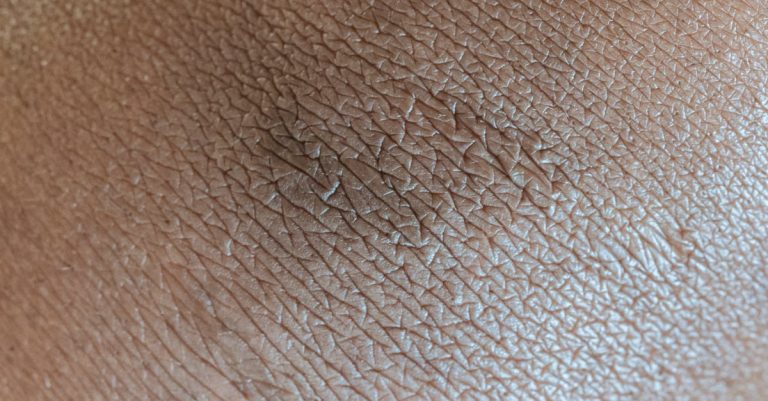
Dry skin or lips
Muscle cramps
Strong sugar or salt cravings
These symptoms often indicate electrolyte imbalance rather than just low water intake.
Simple Daily Hydration Tips
Support hydration throughout the day by:
Starting the morning with water and a pinch of salt
Drinking herbal teas during the day
Eating water-rich fruits and vegetables
Adding electrolytes during exercise or hot weather
Drinking fluids consistently rather than all at once
Final Thoughts
True hydration goes beyond drinking water. By combining fluids with electrolytes, herbal teas, and water-rich foods, you support hydration at the cellular level.
Small changes like adding mineral-rich foods or sipping herbal tea can make a noticeable difference in your daily energy, focus, and overall wellbeing.